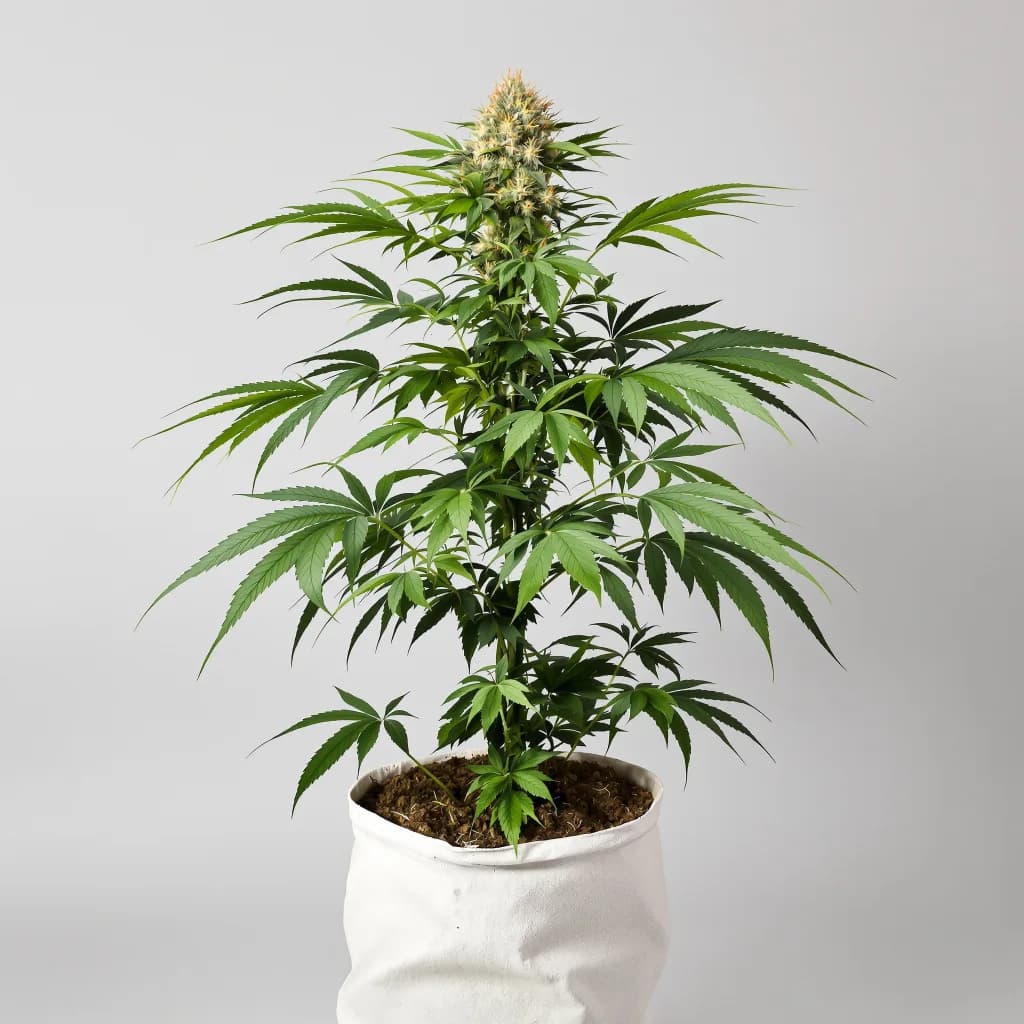
Appleberry Feminised
Appleberry Feminised seeds. A indica cultivar at 24% THC delivering relaxed, sleepy, happy. Grow figures from named sources.
Royal King Genetics — first-party test batch
Figures below are from our internal seed-lot QC and verified UK grower submissions, not breeder marketing. Determined from a single batch tested 2026-09-21 on 300 seeds.
About Appleberry Feminised
Germination and early veg, days 1-14. Appleberry seeds generally crack inside 48 hours on damp kitchen roll and break the surface around day three. Early growth came in squat and willing — broad seed leaves, then the wide dark fans the indica side is known for. Four nodes by day 14 with the internodes already tight. Damping off is rare around 70% relative humidity, which is also roughly what an unheated British room sits at in spring.
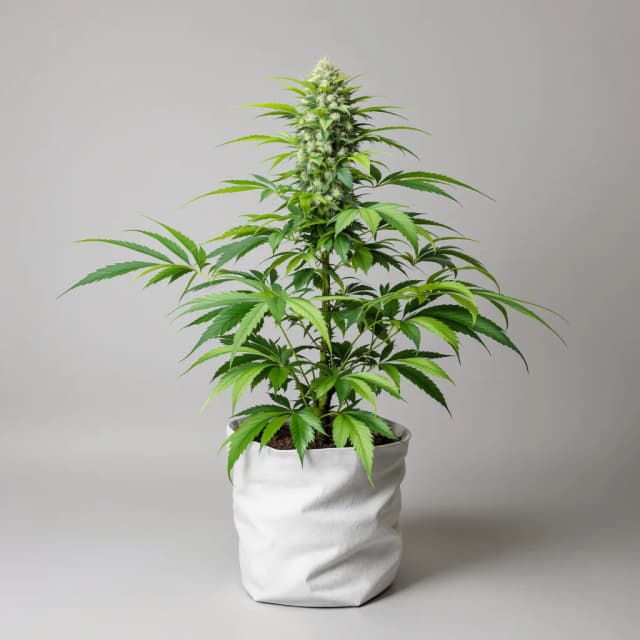
Veg, weeks 3-6. Side branching took off after a top at the fourth node. The plant held a 60cm square by week five and stayed under 40cm tall, which is the shape you want in the small tents most people actually own.
Bloom, weeks 1-9. This is where the 89/11 balance in Appleberry showed itself. The linalool came up in week three and kept building; trichome cover was obvious to the naked eye from week five. Indoor yield: 400-500 g/m2. Height: 110-130 cm. THC testing at 24%. Rated intermediate.
The rest of the diary
Mid-bloom, weeks 4-6. The change came quickly. Sites that were loose and wispy at week three closed into defined colas. Density went up almost daily; by week five a developing bud squeezed like a firm rubber ball. Fan leaves came off at the start of week four to move air through the bottom of the canopy, which mattered — the room sat around 55% humidity through a British autumn and dense flower at that density does not forgive still air.
Ripening, weeks 7-9. Feeding dropped to plain water for the last ten days. The linalool got strong enough that carbon filtration stopped being optional in a terraced house. Trichomes ran clear to milky across the final fortnight, amber showing on sugar leaves first. Around 15% amber on the calyxes is a common place to stop.
Drying and curing. Whole plant hung in the dark at 17°C and 58% humidity for twelve days — both numbers held by a dehumidifier, because an October room in this country will not hold either on its own. Stems snapped rather than bent, which is the test worth trusting. Four weeks in glass followed, burped twice daily for the first fortnight and once daily after. Final weight matched the 400-500 g/m2 figure. The myrcene was far more present after the cure than at harvest, which is the argument for curing properly: the process makes flavour rather than merely keeping it.
Flowering: 8-9.5 weeks (56-63 days). Indoor yield: 400-500 g/m2. Outdoor yield: 600-750 g/plant. Plant height: 110-130 cm. Rated intermediate difficulty. Feminised seeds.
What Appleberry is actually like
Growers report relaxed, sleepy, happy as the defining characteristics and our own notes agree. At 24% THC this indica sits where dose control starts to matter. A single bowl through a vaporiser at 185°C gives a manageable physical ease with the head still working, which is what most people want at the end of a day. Push the dose and it moves firmly towards sedation — the reason it tends to become a winter evening cultivar rather than an all-year one. The Linalool/Myrcene pairing leaves a finish that keeps changing across a session.
Best suited to quiet evenings, a film, recovery after exercise, and the hour before sleep.
Terpene breakdown
Primary: Linalool · Secondary: Myrcene · Tertiary: Caryophyllene. This combination turns up often in cultivars that win things, and it is usually the one growers comment on when a jar is opened for the first time after curing. Linalool anchors the aroma, myrcene occupies the middle, and caryophyllene sits behind both — which is the part that separates this strain from others sharing its primary terpene.
Who it suits
Appleberry suits growers with the basics in place. Understand pH, rough nutrient ratios and light cycles before you commit to it; it asks for competence rather than expertise. Photoperiod genetics leave plant size and harvest date under your control — veg longer for bigger plants, or flip early when space is short. The April to October season accommodates a bloom of 8-9.5 weeks (56-63 days) comfortably for outdoor growers across the country.
Effects
Strain Type
Strain Data Sheet
Packaging
Feminised Premium
Seeds
authenticity
lining
number
Related Strains
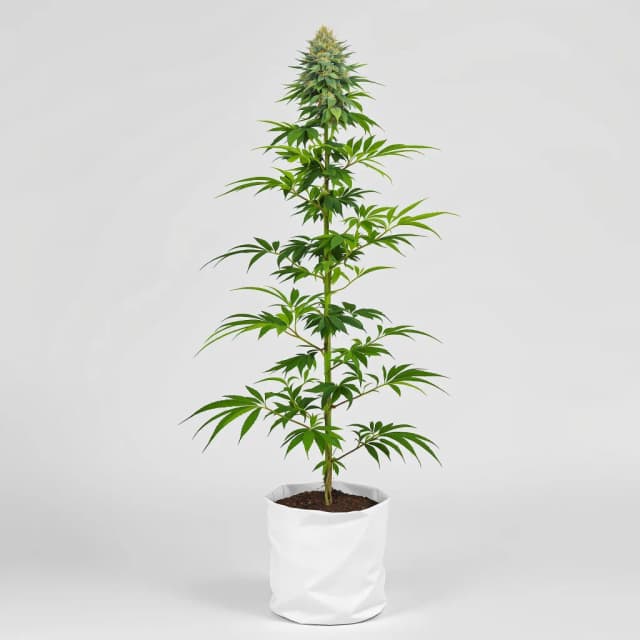
Afghan Big Bud Feminised
Afghan Big Bud Feminised — hybrid cannabis seeds suited to UK growing conditions. 20% THC with focused, calm effects. Fast, discreet UK delivery.
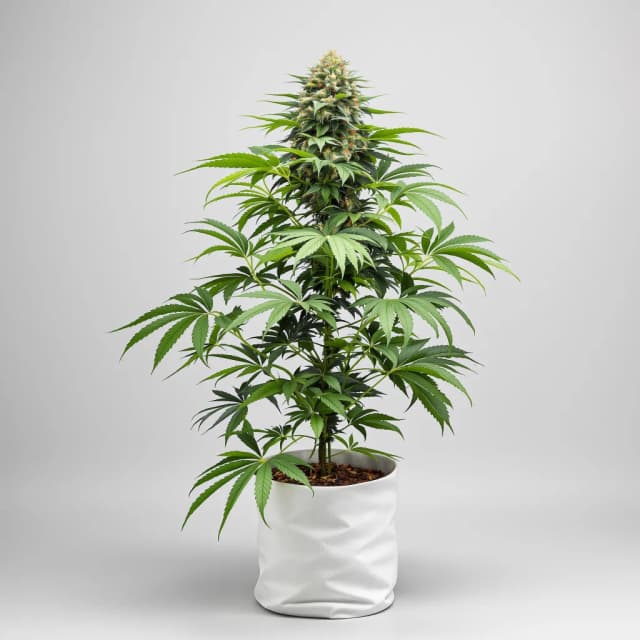
Puna Budder Auto
Puna Budder Auto cannabis seeds for UK growers. Indica · 18% THC · relaxed, euphoric, creative. Discreet UK delivery, priced in GBP.
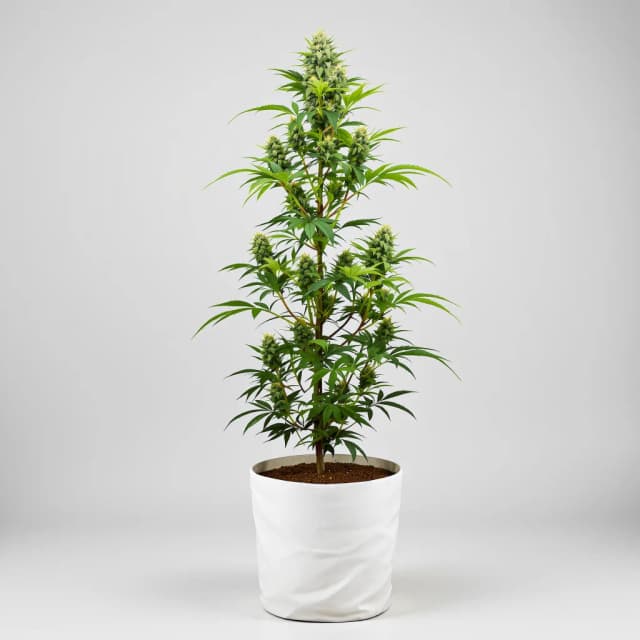
Champagne Kush Feminised
Champagne Kush Feminised seeds. A hybrid cultivar at 15% THC delivering happy, talkative, uplifted. Grow figures from named sources.
Nightcap Feminised
Nightcap Feminised — indica cannabis seeds suited to UK growing conditions. 22% THC with relaxed, focused, calm effects. Fast, discreet UK delivery.
Appleberry Feminised — Breeder Information
Royal King GeneticsBred and stabilised in-house by Royal King Genetics — our internal breeding team. Every batch is QC'd and germ-tested above 99% before it ships. Read the full breeding process and about page.
Backcrossed twice to the dominant parental line. Appleberry now expresses compact internode spacing consistently across the population — what made the original cross interesting is preserved without the pheno-roulette of an unstabilised F1.
Carry a clone-derived recent-era hybrid through to a stable seed pack.
Chosen for indica vigour, compact bud formation and a reliable finish window.
Royal King Genetics breeding facility — pollen from internally selected sibling males of the recurrent parent.