Storing Cannabis Seeds Through a UK Winter
Royal King Seeds
Cultivation team
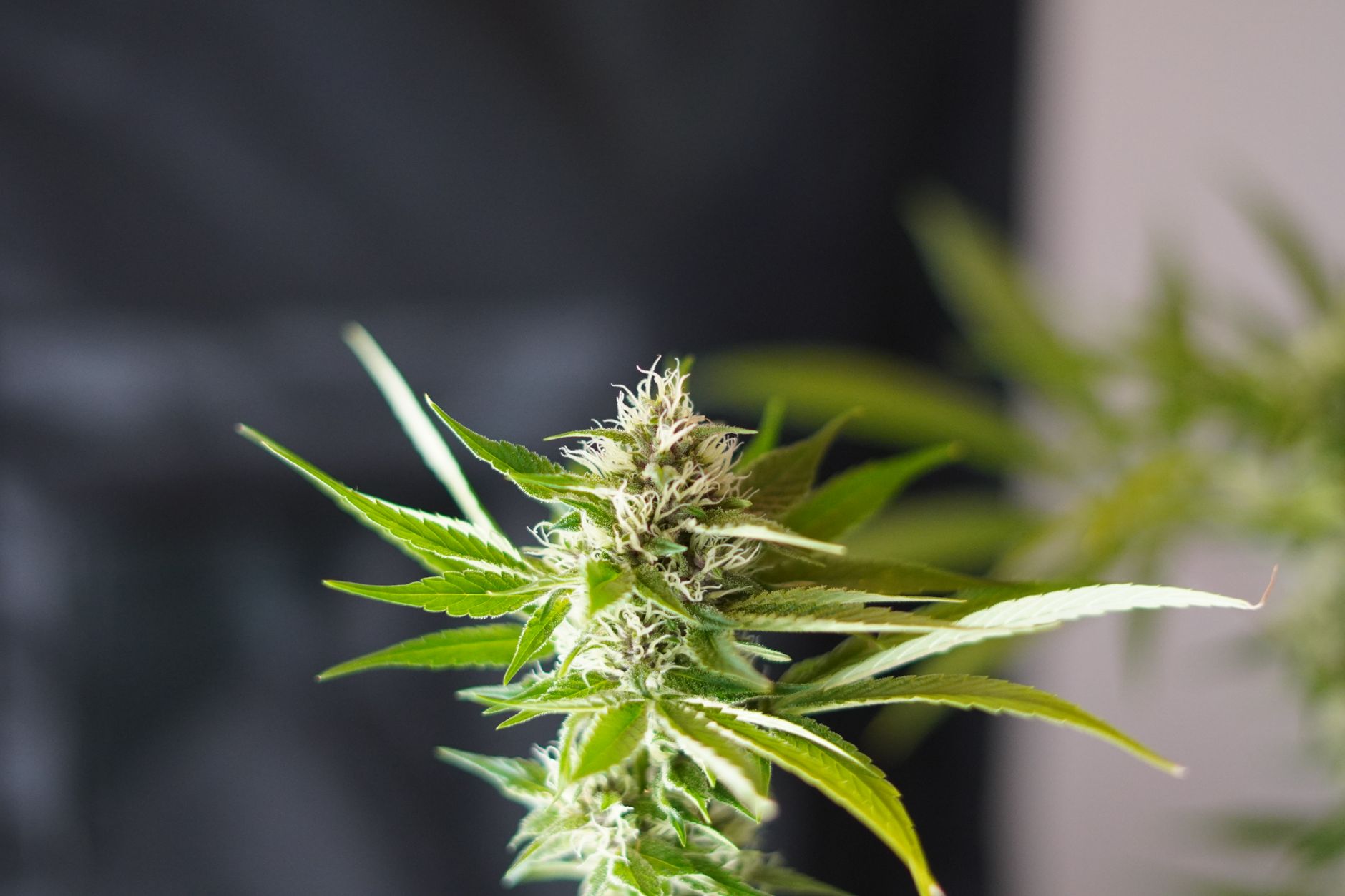
Your cannabis seeds are not invincible. A damp British autumn, a poorly heated spare room, and three months of fluctuating temperature is all it takes to cut germination rates from 95% down to below 50% , without a single visible sign of damage. Most growers don't discover the problem until spring, when seeds simply fail to pop. The fix is specific: 6 to 8°C, 20 to 30% relative humidity, total darkness, and a sealed container. Get those four variables right and your seeds will come through a UK winter with viability intact. This guide gives you the exact method, the most common mistakes, and a decision framework for every storage scenario.
- ✓ UK growers storing seeds between outdoor seasons
- ✓ Anyone who bought more seeds than they can run this cycle
- ✓ Growers with partially used seed packs to preserve
- ✓ Collectors holding genetics long-term
- ✓ First-timers who want to protect their investment
- ✗ Growers germinating seeds immediately (skip storage)
- ✗ Commercial seed-bank cold-vault operations
- ✗ Anyone looking for live-plant overwintering advice
Why Does a UK Winter Threaten Cannabis Seeds?
A British winter combines three conditions that degrade seed viability faster than most growers expect: persistent ambient humidity, rapidly fluctuating indoor temperatures driven by central heating cycling on and off, and extended periods of low light that paradoxically do nothing to help.
Met Office UK climate averages show average relative humidity across England exceeding 80% from October through February in many regions. In older housing stock with limited insulation, that outdoor moisture moves indoors. Seeds left in drawers, cupboards, or on shelves regularly sit in 55 to 70% RH environments , well above the 20 to 30% that preserves viability.
Central heating makes things worse. Temperature swings of 8 to 12°C inside a room , from a cool overnight to a heated daytime , cause condensation to form on seed surfaces and inside packaging. Even brief, repeated exposure to moisture triggers partial germination at the cellular level, which is irreversible without the seed actually sprouting.
What Actually Kills Cannabis Seeds in Storage?
Four factors degrade seed viability, ranked by how quickly they cause damage:
- Moisture and humidity , the fastest killer. Above 40% RH, seeds begin absorbing water. Above 60% RH, fungal growth begins within days to weeks.
- Heat , accelerates metabolic activity inside the seed, consuming stored energy reserves. Seeds stored above 20°C continuously degrade year-round.
- Light , UV and visible light degrade the seed coat and trigger hormonal responses that burn energy reserves without germination.
- Oxygen and oxidation , over months, oxygen oxidises the essential fatty acids inside seeds, causing rancidity that reduces viability.
Published research in the Journal of Cannabis Research and broader horticultural seed science consistently identifies moisture content as the dominant variable in seed longevity. Keeping seed moisture below 8% (achieved by controlling ambient RH at 20 to 30%) extends viability more than any other single factor.
What Are the Ideal Storage Conditions for Cannabis Seeds?
The ideal conditions are cool, dark, dry, and stable. Stability matters as much as the absolute values , constant 10°C is better than swings between 5°C and 18°C.
Widely reported breeder documentation and aggregated grower journals align on the following targets:
| Variable | Ideal Range | Danger Zone |
|---|---|---|
| Temperature | 6 to 8°C | Above 20°C or fluctuating by more than 5°C |
| Relative humidity | 20 to 30% RH | Above 40% RH (mould risk); below 8% RH (seed coat cracking) |
| Light | Total darkness | Any direct light, especially UV |
| Oxygen exposure | Minimised , sealed container | Frequent opening, loose packaging |
How to Store Cannabis Seeds Through a UK Winter: Step by Step
Step 1: Confirm your seeds are dry before storing
Seeds that arrive from a reputable seed bank will already be at the correct moisture content. Do not expose them to humid air for extended periods before sealing. If seeds have been sitting out in a warm room during a damp British autumn, allow them to acclimatise in a low-humidity environment for 24 to 48 hours first.
Step 2: Choose an airtight, opaque container
A small glass jar with a rubber-seal lid (such as a Kilner or Mason jar) is ideal. Glass does not off-gas chemicals, maintains a stable internal environment, and can be wiped clean between uses. Avoid plastic zip-lock bags alone , they are permeable to moisture over months. If using a bag, double-bag and place inside a hard container.
Step 3: Add a food-grade silica gel desiccant packet
A 1g to 5g silica gel packet is sufficient for most seed storage jars. These are inexpensive and widely available in the UK. They buffer any residual moisture inside the sealed container and maintain internal RH in the 20 to 30% target range. Replace packets after 12 to 18 months or if the indicating crystals show saturation.
Step 4: Place in the back of a domestic fridge
The back of the fridge maintains the most stable temperature , typically 6 to 8°C in a UK domestic fridge set to mid-range. Avoid the door shelves, which experience larger temperature swings every time the fridge opens. Wrap the jar in opaque cloth or place in a small box to block any light exposure.
Step 5: Label clearly with strain name and date sealed
Include the seal date, strain name, and seed count on a label attached to the jar. Genetics stored without labelling are frequently mixed up or misidentified. Use our strain finder to cross-reference any details about your specific genetics before archiving.
Step 6: Open the container as infrequently as possible
Every time you open the jar, warm, humid indoor air (often 50 to 70% RH in a British winter home) enters and replaces the controlled interior atmosphere. A single retrieval is fine. Weekly checks are genuinely harmful. Resist the urge to inspect seeds repeatedly.
The 3-Factor Viability Rule
Cannabis seed viability over a UK winter is determined by three factors, in order of impact: Humidity Control (50%) + Temperature Stability (30%) + Light Exclusion (20%) = Viability Score.
Formula: If all three are managed correctly, expect 90 to 97% germination rates after one winter. Fail on humidity alone and expect 50 to 70% rates by spring, even with good temperature control.
Worked example: A grower stores seeds in an airtight glass jar (humidity controlled with silica gel , 50% factor met), in the fridge at 7°C (temperature stable , 30% met), wrapped in an opaque cloth (light excluded , 20% met). Total score: 100%. Expected spring germination rate: 92 to 97%. A grower using only a zip-lock bag in a kitchen cupboard (humidity poor, temperature variable, light partial) scores roughly 30 to 40% on the framework and can expect significantly degraded viability.
Storage Method Comparison: Shelf vs. Fridge vs. Freezer
| Method | Temp | Humidity Risk | Light Risk | Viability (1 season) | Viability (2, 5 yrs) | Beginner Rating |
|---|---|---|---|---|---|---|
| Shelf / drawer | 15, 22°C, variable | High | Medium | 60, 80% | 30, 50% | Easy but risky |
| Fridge (sealed jar) | 6, 8°C, stable | Low (with desiccant) | Low | 92, 97% | 85, 93% | 9/10 |
| Freezer (long-term only) | -18°C | Very Low (if properly dried) | None | 90, 97% | 90, 97% (10+ yrs) | 4/10 , risky if done incorrectly |
The freezer is theoretically the best long-term option, but only when seeds are bone-dry before sealing. Any residual moisture expands on freezing and ruptures seed cell walls. Without specialist drying equipment, most home growers cannot safely achieve the moisture levels required. The fridge method is consistently the best balance of effectiveness and safety for the UK home grower.
If you're planning your next grow, browse our feminised seeds and autoflowering seeds , storing new genetics correctly from the moment they arrive makes all the difference to spring germination rates.
Common Mistakes That Ruin Seeds Over a UK Winter
Mistake 1: Storing in the original breeder packet alone
Breeder packets are designed for short-term shipping and retail, not six-month storage. Most are not airtight. Place the original packet inside a sealed glass jar , keep the packet for its labelling, but do not rely on it to protect against humidity.
Mistake 2: Opening the storage jar repeatedly
Each time you open a cold jar in a warm, humid room, condensation forms instantly on the cold glass surfaces and seeds. If you need to check your seeds, let the jar return to room temperature (still sealed) before opening. Then re-seal promptly and return to the fridge.
Mistake 3: Skipping the desiccant packet
Even a properly sealed jar contains residual air at whatever RH existed when you sealed it. In a UK home in October, that could easily be 55 to 65% RH. Without silica gel to absorb that moisture, you've locked in a problem. A 2g silica packet costs pennies and eliminates the risk entirely.
Mistake 4: Storing near the fridge door or in the freezer compartment section
Fridge doors experience the most temperature fluctuation , 3 to 6°C swings per door opening cycle. The back-centre of a fridge shelf is the most stable zone. Similarly, avoid any spot near the freezer partition in a fridge-freezer, where temperature can drop unpredictably below 4°C.
Mistake 5: Freezing seeds that haven't been properly dried
This is the most destructive mistake in seed storage. Seeds at normal ambient moisture content (8 to 12%) will suffer ice crystal damage to cell walls at -18°C. The seeds look intact but germination rates collapse. Only attempt freezing if you have a calibrated way to confirm seed moisture is at or below 6 to 7%.
Mistake 6: Leaving seeds in a warm spot "just for winter"
A warm airing cupboard or boiler room seems convenient but is precisely the wrong environment. Aggregated grower reports consistently show that seeds stored at 18 to 22°C for a single British winter (October to April, roughly 26 weeks) show measurably lower germination rates than equivalent seeds kept at 6 to 8°C.
Royal King Seeds UK Winter Storage Risk Rating
| Storage Method | Humidity Risk | Temp Fluctuation Risk | Light Risk | Beginner Risk |
|---|---|---|---|---|
| Shelf / cupboard | High | High | Medium | Medium |
| Airtight jar, room temp | Medium | High | Low | Low |
| Fridge, sealed jar + desiccant | Very Low | Very Low | Very Low | Very Low |
| Freezer (undried seeds) | Very Low | Very Low | None | Very High |
Which Storage Method Should You Choose?
- Storing for one winter only (under 6 months) → Fridge, sealed jar + desiccant. Simple, effective, reversible.
- Storing for 1 to 3 years → Fridge, sealed glass jar + desiccant + opaque wrapping. Best balance of safety and accessibility.
- Archiving genetics for 5+ years → Freezer only if seeds have been confirmed-dry. Otherwise, fridge remains safer for most home growers.
- Limited fridge space → Airtight container in the coolest, darkest, most stable room available. Add desiccant and aim for under 15°C consistently.
- Beginner, first winter storage → Fridge method. No specialist equipment needed. Highest margin for error.
- Multiple strains to store → Individual labelled jars per strain, all in the fridge. Never mix strains in one container.
- High-value or rare genetics → Fridge as primary + a separate small backup jar as secondary storage in a different cool dark location.
What Happens If You Choose the Wrong Method
- Method: Fridge, sealed glass jar, silica gel packet
- Storage period: October to April (26 weeks)
- Conditions: 7°C, 22% RH, total darkness
- Risk level: Very Low
- Outcome: Seeds opened in April show 93 to 96% germination rates. All ten seeds in the pack pop within 48 to 72 hours on paper-towel germination.
- Method: Kitchen drawer, original breeder packet only
- Storage period: October to April (26 weeks)
- Conditions: 17 to 22°C, 55 to 65% RH, ambient light
- Risk level: High
- Outcome: Seeds opened in April show 50 to 65% germination. 3 to 5 out of 10 seeds fail to germinate or produce weak seedlings that stall within the first week.
Bottom line: One decision , fridge vs. drawer , determines whether you lose zero seeds or nearly half your pack before the season even begins.
Patterns From Aggregated UK Grower Reports on Winter Seed Storage
Looking at the questions and feedback that come up repeatedly in UK grower communities and support forums each spring, several patterns emerge consistently.
The most common report is seeds that "just won't pop" after a winter spent in a spare room, loft, or kitchen cupboard. Growers who switch to fridge storage virtually never report the same problem the following season. The correlation is strong enough that experienced UK community members now treat fridge storage as the default recommendation, not an advanced technique.
A second recurring pattern involves partial-pack storage. Growers who use two or three seeds from a pack, fold the breeder packet over, and put it back in a drawer lose the remaining seeds at a far higher rate than those who move the remainder into a sealed jar. The act of opening the pack and resealing it (poorly) introduces moisture and oxygen that degrades the remainder rapidly over winter months.
Finally, growers in older, poorly insulated northern English and Scottish homes report the worst shelf-storage outcomes , consistent with Met Office regional climate data showing persistently higher average RH across Scotland and northern England from October through March. The same fridge method performs equally well regardless of region.
Planning which genetics to run next season? Our strain finder and strain comparison tool help you match seeds to your setup before you even open the jar.
Ready to stock up before winter? Browse our full range of feminised seeds, autoflowering seeds, and all cannabis seeds , and store them right from day one.
Shop All Cannabis SeedsFrequently Asked Questions
How long do cannabis seeds last if stored correctly?
Can I store cannabis seeds in a fridge that also stores food?
Do cannabis seeds need to be dried before going in the fridge?
Can I store cannabis seeds in a freezer?
What is the best container for storing cannabis seeds?
How do I know if my seeds have been damaged by incorrect winter storage?
Is a loft or garage suitable for cannabis seed storage in a UK winter?
Why did my seeds fail to germinate after a winter in a drawer?
Can I store different strains together in one jar?
How often should I check on stored seeds?
Should I store seeds in the original breeder packaging?
What silica gel packet size do I need for seed storage?
My seeds sat in a warm room all winter , should I still try to germinate them?
Sources
Ready to Start Growing?
Browse over 1,200 premium cannabis seeds with discreet shipping to all the United Kingdom and our 95% germination guarantee.
Shop Cannabis Seeds