Feminised vs Autoflower Seeds: Which Is Right for First-Time UK Growers?
Royal King Seeds
Cultivation team
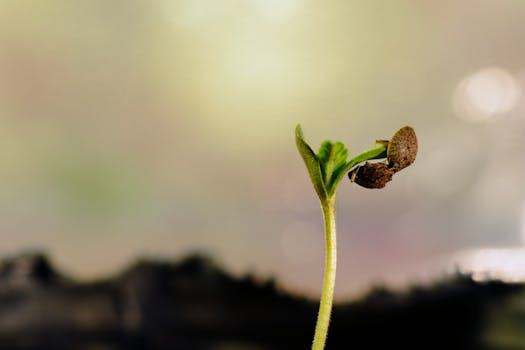
Your biggest enemy as a first-time UK grower isn't pests, nutrient deficiencies, or even the weather. It's choosing the wrong seed type before you understand what you're getting into. Most beginners waste an entire season , sometimes several hundred pounds , because they picked feminised seeds expecting simplicity, then discovered those seeds demand a level of light control they hadn't planned for. Autoflower seeds finish in 70 to 85 days on any light schedule, indoors or out, and they tolerate the errors every beginner makes. Feminised seeds can yield 30 to 50% more per plant, but they punish mistakes in ways that can cost a first-timer their entire crop. This guide compares both types with specific numbers, UK climate context, and a clear verdict on which type to start with.
Autoflower seeds flower automatically based on age, finishing in 70 to 85 days from germination regardless of light schedule. Feminised cannabis seeds are photoperiod plants: they only flower when light drops to 12 hours per day, giving growers more control but demanding strict light management across a 14 to 18 week cycle. For most UK beginners, the autoflower's fixed finish window and forgiveness under variable conditions make it the lower-risk starting point.
- ✓ First or second-time growers in the UK
- ✓ Growers unsure whether to grow indoors or outdoors
- ✓ Anyone with limited space or a short outdoor season
- ✓ Growers who want to avoid the most common beginner mistakes
- ✓ UK growers comparing seed types before their first order
- ✗ Experienced growers already comfortable with photoperiod cycles
- ✗ Commercial or large-scale UK cultivators
- ✗ Growers seeking maximum yield as their sole priority
What Are Feminised Cannabis Seeds?
Feminised seeds are cannabis seeds bred to produce only female plants, eliminating the 50% male-plant risk present in regular (non-feminised) genetics.
Female plants produce the resin-covered buds growers are after. Male plants produce pollen and, if left with females, will trigger seed production that drastically reduces yield and potency. Feminised genetics remove this variable entirely.
These are photoperiod plants. They vegetate under long light periods (typically 18 hours of light indoors) and only switch to flowering when light drops to 12 hours per day. Outdoors in the UK, this transition happens naturally around the August equinox as days shorten. Breeder documentation consistently puts full indoor cycles at 14 to 18 weeks, with outdoor harvest falling between late September and early November depending on the variety. Browse feminised cannabis seeds available in the UK.
Feminised seeds are the high-reward, higher-complexity option. They suit beginners who have a controlled indoor space with a timer-managed light setup, or outdoor growers in the South of England where the season runs long enough for a late-September harvest. Not ideal for your very first grow if you can't manage strict light schedules.
What Are Autoflower Seeds?
Autoflower seeds carry Cannabis ruderalis genetics that trigger flowering based on the plant's age, not the number of light hours it receives each day.
A typical autoflower begins flowering automatically at 3 to 4 weeks from germination and finishes the entire cycle in 70 to 85 days. This means you can run them on an 18/6 light schedule indoors for the whole grow , no timer changes required. Outdoors, they produce a harvestable crop from a June start as early as late August, well before any frost risk reaches even northern England.
Modern autoflower genetics have closed the yield and potency gap significantly. Aggregated grower journals report 80 to 150 g per plant from 11-litre fabric pots under 18/6 LED at 600 PPFD, with THC levels from quality breeders reaching 20 to 26%. They're smaller and faster, not weaker.
Autoflower seeds are the most forgiving starting point for UK beginners. The fixed finish window removes the single biggest variable that trips up first-time growers: light management. If you're growing outdoors in the UK or running a basic indoor tent without a timer, start here.
Feminised vs Autoflower Seeds: The Key Differences
Here's a direct comparison across the metrics that actually matter to a beginner:
| Feature | Autoflower Seeds | Feminised Seeds |
|---|---|---|
| Cycle length | 70-85 days total | 14-18 weeks (98-126 days) |
| Flower trigger | Age (automatic) | 12/12 light schedule |
| Indoor light management | Set-and-forget 18/6 | Must switch to 12/12 to flower |
| Typical indoor yield (11 L pot) | 80-150 g per plant | 150-250 g per plant |
| Plant height | 50-100 cm typical | 90-180 cm typical |
| Mould resistance | Medium-High | Low-Medium (variety dependent) |
| UK outdoor harvest window | Late Aug-Oct (multiple runs possible) | Late Sept-Nov (one run per season) |
| Beginner rating | 9/10 | 6/10 |
| Training (LST/topping) | Low-stress only recommended | Full training possible |
For a first grow, autoflowers win on every metric that affects beginner success: simpler light management, shorter cycle, smaller footprint, and a harvest window that beats UK autumn weather. Feminised varieties deliver more weight per plant once you've mastered the basics.
How the UK Outdoor Season Affects Your Choice
Per Met Office 1991 to 2020 climate normals, the average last spring frost ranges from mid-April in the South West to mid-May in Scotland, with the first autumn frost arriving as early as mid-October in the Scottish Highlands and as late as early December in sheltered South West coastal spots. This gives a frost-free growing season ranging from roughly 150 days in the far south to fewer than 120 days across much of northern England and Wales.
A feminised photoperiod strain that flowers outdoors from August and needs 9 to 10 weeks of flower time won't finish before late October in most regions. That's a tight window in the South and a gamble in the North, where cool wet September nights bring mould risk before the plant even approaches peak maturity.
Autoflowers started outdoors in late May or early June finish by late August across the UK, safely ahead of the early-autumn risk window. You can even run a second autoflower crop started in early July and harvest in September in the South East and South West.
Visual UK Outdoor Timing Guide
Start autos outdoors (after last frost)
Second auto run possible; fems in veg
Autos flowering; fems still vegging
First auto harvest; fems begin flowering
Mould risk rising; second auto harvest
Frost risk North UK; fems finishing South only
Every strain picked for outdoor UK growing should clear its harvest date at least 14 days before the regional average first frost. Formula: Breeder finish days + 7 (germination variance) + 7 (weather variance) = true outdoor finish window.
Example: An 80-day autoflower started June 1 finishes around August 21 (with variance). Average first frost in Yorkshire falls around October 20 per Met Office normals , giving 60 days of buffer. Comfortable. A feminised strain needing 70 days of flower from August 1 finishes around October 10, leaving just 10 days before Yorkshire's first frost. Too close.
For outdoor UK growing north of Birmingham, autoflowers are the only safe first-grow choice. In the South East and South West, a fast-finishing feminised variety is workable, but you need to choose a strain with a short flower time (8 weeks or under) and start no later than early June for transplant outdoors.
Common Mistakes First-Time UK Growers Make With Each Type
Mistake 1: Triggering early flowering in autoflowers by under-lighting
Autoflowers thrive under 18/6, but placing them in a windowsill receiving only 10 to 12 hours of natural light stunts vegetative development. They'll still flower, but the plant will be half the size it could be. Give autos at least 18 hours of light indoors, or place outdoors in full sun after the last frost date.
Mistake 2: Training autoflowers too aggressively
Because autoflowers have a fixed vegetative window of 3 to 4 weeks, high-stress training (topping, heavy defoliation) can cost more time than it recovers. Looking at patterns across public grower forums, the most common autoflower disappointments come from beginners who topped at week 2 and lost 10 to 14 days of recovery time. Low-stress training (LST) only for your first run.
Mistake 3: Accidentally triggering flowering in feminised seeds indoors
A light leak during the dark period , even a phone screen, a timer LED, or a gap under the tent door , can cause photoperiod plants to re-vegetate, hermaphrodite, or produce seeds. This is the failure mode that most surprises first-timers. Autoflowers aren't affected at all; feminised plants are entirely dependent on strict darkness.
Mistake 4: Starting feminised seeds outdoors too late
Feminised photoperiod plants started outdoors in July in the UK will trigger flowering almost immediately as days are already shortening. You'll harvest a micro-plant. They need to be established by early June to veg sufficiently before the natural light trigger kicks in around late July to August.
Mistake 5: Over-feeding autoflowers during early veg
Autoflowers are smaller and faster-metabolising than photoperiod plants. Feeding schedules designed for feminised strains can push EC levels far too high for an auto in weeks 1 to 3. Aggregated grower journals consistently show nutrient burn during early veg as the top autoflower failure mode for beginners. Start at 25 to 50% of any recommended feed schedule and observe before increasing.
Both seed types have beginner traps. The autoflower traps (over-training, over-feeding) are recoverable. The feminised traps (light leaks, wrong outdoor start timing) can kill an entire crop or waste three months of vegetative growth. For a first grow, recoverable mistakes are far preferable.
Which Seed Type Should You Choose?
- Growing outdoors in Scotland, Wales, or northern England? → Autoflower (season too short for most feminised varieties)
- Growing outdoors in the South East or South West? → Autoflower for first grow; fast-finishing feminised on second grow
- Indoor grow, no timer, or basic setup? → Autoflower (no light-schedule changes needed)
- Indoor grow, full tent with programmable timer? → Either; feminised unlocks higher yield once basics are mastered
- Limited vertical space (under 100 cm)? → Autoflower (stays compact)
- Maximum yield is the priority? → Feminised (once you've run one auto grow first)
- Want two harvests in one UK outdoor season? → Autoflower only , feminised plants can't complete two cycles in a UK summer
- Absolute first-ever grow? → Autoflower, every time
Ready to choose? Use our strain finder to filter by grow type, difficulty, and cycle length, or compare strains side by side before you order.
Browse our full autoflower range , all beginner-friendly, all UK-ready.
Shop Autoflower SeedsWhat Happens If You Choose Wrong
- Seed type: Autoflower
- Started: 1 June (outdoors, Yorkshire)
- Harvest: ~20 August
- Buffer before frost: ~60 days
- Risk level: Low
Crop harvests dry with no mould pressure. First-time grower produces 90-130 g and learns the full cycle with minimal stress.
- Seed type: Feminised (10-week flower)
- Started: 1 June (outdoors, Yorkshire)
- Harvest: ~20 October
- Buffer before frost: 0-5 days
- Risk level: Very high
Plants hit week 7 of flower in wet, cool mid-September. Botrytis (bud rot) sets in. Grower loses 60-70% of the crop and has no time to start again before winter.
Bottom line: the seed-type decision made in June drives the entire season outcome. One choice gives a successful first harvest; the other gives an expensive lesson in UK autumn weather.
The yield advantage of feminised seeds is real, but it's irrelevant if you harvest nothing. Run an autoflower first. Master watering, feeding, and environment. Switch to feminised seeds on your second or third grow when the basics are automatic.
Ready to explore the full range? Find the right seed for your setup.
Shop All Cannabis SeedsFrequently Asked Questions
Are autoflowers better than feminised seeds for beginners in the UK?
Can I grow feminised seeds outdoors in the UK?
How many harvests can I get from autoflowers in one UK outdoor summer?
Why didn't my feminised seeds flower when I expected them to?
Can I start autoflowers in April in the UK?
Do autoflowers produce less than feminised seeds?
What's the minimum pot size for autoflowers in the UK?
Why did my autoflower stall at week 6?
Can I top autoflowers to increase yield?
Should I grow indoors or outdoors as a UK beginner?
My autoflower was supposed to finish in 75 days but it's at day 85 and looks weeks away from harvest. What went wrong?
Can I clone autoflowers to get more plants?
Sources
Ready to Start Growing?
Browse over 1,200 premium cannabis seeds with discreet shipping to all the United Kingdom and our 95% germination guarantee.
Shop Cannabis Seeds