Germinating Cannabis Seeds in a Cool UK Spring
Royal King Seeds
Cultivation team
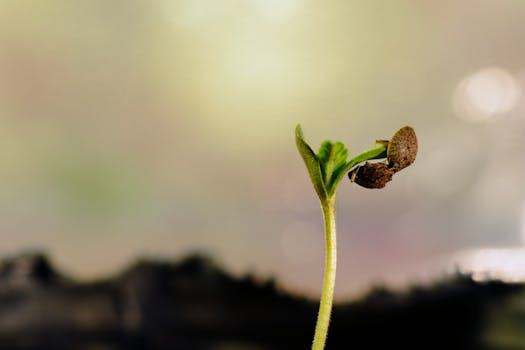
Your biggest enemy in a British spring isn't slugs, rogue frosts, or even the rain. It's cold soil , and most growers don't find that out until their seeds never pop. The single most common failure pattern across UK outdoor grow reports is seeds started directly in the ground in March and April, where soil temperatures sit between 8°C and 12°C, a range that stalls tap-root emergence and invites rot before a seedling ever has a chance. The fix is straightforward: germinate indoors at 22, 25°C using the paper-towel method, hit a consistent 90, 97% success rate, then transplant once the outdoor environment is ready. This guide covers exactly how to do that, region by region, with the specific numbers that make the difference.
Cannabis seeds need 22, 25°C and high humidity (85, 95% RH) to germinate reliably. In a typical UK spring, outdoor soil doesn't reach that range until late May across most of England and June in Scotland. Germinating indoors on paper towels or in a propagator, then hardening off seedlings before transplanting outside, is the most reliable route , producing tap-root emergence within 24, 72 hours and seedling success rates of 90, 97% compared to 50, 70% for direct outdoor sowing in cold British conditions.
- ✓ UK growers germinating seeds in March, April or May
- ✓ Anyone who's had seeds fail to pop outdoors
- ✓ First-time growers learning germination basics
- ✓ Outdoor growers planning to transplant seedlings
- ✓ Indoor growers starting a spring run in a cool room
- ✗ Growers in a heated grow tent with stable 24°C year-round
- ✗ Growers seeking strain-specific flowering or yield advice
- ✗ Experienced growers with a working propagation setup already dialled in
Why Does Cold Temperature Kill Cannabis Germination?
Cold temperatures don't just slow germination , below 15°C, the enzymatic processes that trigger tap-root emergence essentially switch off. The seed sits wet, dormant, and vulnerable to fungal attack.
At 22, 25°C, moisture activates the gibberellin hormones inside the seed coat, cracking the shell and pushing the radicle outward within 24, 72 hours. At 10°C , a realistic UK March soil temperature , the same process can take 10, 14 days if it happens at all, during which time Pythium (damping-off fungus) colonises the wet medium first.
Per Met Office UK climate averages, mean soil temperatures at 10 cm depth across England sit at 8, 11°C in March and 10, 13°C in April , below the 15°C minimum threshold for reliable germination. Even May only averages 13, 16°C across the Midlands and North. Direct sowing outdoors before late May is, for most UK regions, a gamble with poor odds.
Don't trust calendar date alone. Trust soil temperature. If a thermometer pushed 10 cm into the ground reads below 15°C, germinate indoors. No exception.
How to Germinate Cannabis Seeds Using the Paper-Towel Method
The paper-towel method consistently produces 90, 97% germination success within 48, 72 hours at 22, 25°C, according to aggregated grower journals and breeder documentation. It costs almost nothing and gives you visual confirmation before you commit to soil or coco.
Step 1: Pre-soak your seeds (optional but effective)
Drop seeds into a glass of plain water at room temperature (22°C). Leave for 12, 18 hours maximum. Seeds that sink are fully hydrated; seeds still floating after 18 hours get a gentle push under. Don't exceed 24 hours , prolonged soaking starves the embryo of oxygen.
Step 2: Set up the paper-towel environment
Take two sheets of plain white paper towel (unscented, no bleach print). Dampen them with plain water , moist, not dripping. Lay one sheet flat on a dinner plate, place seeds 3, 4 cm apart, and fold the second sheet over the top.
Step 3: Create a stable warm environment
Place the plate inside a zip-lock bag or cover with a second plate to trap humidity. Slide it on top of a router, a propagator heat mat, or inside a kitchen cupboard above an appliance. Target 22, 25°C. A simple digital thermometer costs under £5 and removes the guesswork entirely , this is where most growers under-invest and end up with 60% germination rates wondering why.
Step 4: Check every 12 hours
Tap roots typically emerge within 24, 72 hours. You're looking for a white radicle 3, 5 mm long , at that point, transfer immediately. Don't let the tap root reach 1 cm or longer before transplanting, as it becomes fragile and prone to snapping.
Step 5: Transplant to starter medium
Use a seedling plug, a small Jiffy peat pellet, or a 0.5 L pot of light, well-aerated mix , a 50/50 coco and perlite blend or a dedicated seedling compost works well. Make a 1 cm hole, drop the seed in tap-root-down, and cover lightly. Don't compact the medium. Water once with plain pH-adjusted water (6.0, 6.5 for soil, 5.8, 6.0 for coco), then leave it alone for 24 hours.
The paper-towel method is the most reliable germination route for UK growers in spring precisely because it decouples temperature management from the outdoor environment. Get the temperature right indoors and the seeds do the rest.
When Should You Start Germinating by UK Region?
The right indoor germination start date depends on when you plan to move plants outside, which in turn depends on your last frost date. All figures below use Met Office 1991, 2020 climate normals and RHS hardiness guidance.
Last air frost: mid-April | Outdoor transplant: late April
Start germination indoors: early April
Frost-free season: ~175 days
Last air frost: mid-April | Outdoor transplant: early May
Start germination indoors: mid-April
Frost-free season: ~170 days
Last air frost: late April | Outdoor transplant: mid-May
Start germination indoors: late April
Frost-free season: ~155 days
Last air frost: early May | Outdoor transplant: late May
Start germination indoors: early May
Frost-free season: ~140 days
Last air frost: mid-May | Outdoor transplant: late May, early June
Start germination indoors: mid-May
Frost-free season: ~120 days
Last air frost: late April, early May | Outdoor transplant: mid-May
Start germination indoors: late April
Frost-free season: ~145 days
Southern growers have the widest window and can start photoperiod plants meaningfully earlier. Scottish and northern Welsh growers should lean heavily on fast-finishing autoflowers and start as early as mid-May indoors to still harvest before September rains arrive in force.
Every UK spring germination run should be timed so the seedling is 14 days old before it goes outside , never younger. Formula: Germination day + 7 days to cotyledon stage + 7 days hardening off = minimum 14 days before outdoor transplant.
Example: A Midlands grower targeting a May 15 transplant date starts germination on May 1. Seeds pop by May 3, cotyledons open by May 5, 7, hardening off runs May 8, 15, plants go outside on schedule with a root system already established. Skipping the hardening-off week causes transplant shock and can set plants back 7, 10 days , easily the difference between a healthy July stretch and a stunted one.
Propagator vs Paper-Towel: Which Method Is Better for a Cool Spring?
Both methods work when temperature is managed correctly. The difference is convenience and scalability.
| Factor | Paper-Towel Method | Heated Propagator |
|---|---|---|
| Cost | Near zero | £15, £50 |
| Temperature control | Manual (relies on warm spot) | Thermostat-regulated |
| Tap-root visibility | Full , you see every root | Limited , must check plugs |
| Risk of root damage | Medium (handling during transfer) | Low (direct sow into plug) |
| Success rate at 22, 25°C | 90, 97% | 90, 97% |
| Best for | 1, 5 seeds, budget growers | 6+ seeds, repeated spring runs |
For most UK growers starting 2, 6 plants in spring, the paper-towel method is perfectly adequate. If you're running 12+ seeds or germinating repeatedly across March, May, a heated propagator at a thermostat-set 24°C pays for itself in the first season.
Choose paper-towel if this is your first or second season. Graduate to a propagator once you're running multiple strains simultaneously , the thermostat removes the single biggest variable (temperature drift) that causes inconsistent results in a cool British spring.
Autoflower vs Feminised Seeds: Which Suits a UK Spring Start Better?
The seed type you germinate affects your entire season timeline, not just the germination window itself.
Autoflowering seeds are the natural fit for growers who start late or live in northern regions. They flower on age rather than light cycle, meaning a seed germinated in May outdoors will still finish by late August or early September , within the UK's last reliable dry window. Breeder documentation for most modern autoflowers puts finish times at 70, 90 days from germination, regardless of day length.
Feminised photoperiod seeds reward southern growers who start early. Germinated indoors in April and transplanted outside in early May, a photoperiod plant has 10, 12 weeks of vegetative growth before the shortening days of late July trigger flowering. That extra veg time translates directly into larger plants and heavier harvests , but only if your season is long enough.
- Starting before 15 May in the South: Feminised photoperiod , longest veg, biggest yield
- Starting after 15 May anywhere: Autoflower , fixed 70, 90-day finish, no light-cycle dependency
- Scotland or northern England, any date: Autoflower , season too short for late-flowering photoperiods
- Indoor grow, year-round: Either , you control the light schedule, season is irrelevant
- First-time grower outdoors: Autoflower , simpler, forgiving, faster feedback loop
If in doubt, autoflower. The fixed finish window removes the biggest seasonal gamble for UK growers. Browse our best strains for outdoor growing for options selected with a British season in mind.
How to Harden Off Seedlings After a Cool Indoor Germination
Hardening off is the process of gradually acclimatising seedlings to outdoor conditions , lower temperatures, UV exposure, wind, and humidity swings. Skipping it causes leaf curl, purple stems, and stunted growth even in otherwise healthy plants.
Start when seedlings have two true leaf pairs (around day 7, 10 after germination). The process takes 7 days:
- Day 1, 2: Place outside in partial shade, sheltered from wind, for 2 hours midday. Bring in before temperatures drop below 15°C.
- Day 3, 4: Increase to 4 hours. Introduce light direct sun in the second hour.
- Day 5, 6: 6, 8 hours outside, including full afternoon sun. Nights still indoors.
- Day 7: Full day outside if night minimum is above 10°C. Plant out the following morning.
Don't rush this. A seedling put outside in full April sun after two weeks under a warm propagator will bleach its first leaves within hours , photo-bleaching caused by UV shock, not disease.
Seven days of hardening off is the minimum. In a cold April, push it to ten. The time invested here saves 2, 3 weeks of recovery from transplant shock later in the season.
Common Mistakes Growers Make Germinating in a UK Spring
Looking at the questions that come up most often from UK growers in spring, the same failure modes repeat across seasons. Here are the five most damaging ones and how to avoid each.
Mistake 1: Direct sowing into cold outdoor soil in March or April
Soil at 8, 10°C won't reliably trigger germination. The seed sits wet, fungal pressure builds, and the embryo rots before the tap root appears. Always germinate indoors. Transplant after last frost once the soil reads above 15°C at 10 cm depth.
Mistake 2: Over-watering immediately after transplant
This is the single most reported seedling killer across UK grower forums. A freshly germinated seedling has a tiny root mass and can't uptake water fast enough when the medium stays permanently wet. Water once after transplanting, then wait until the top 2 cm of medium is dry to the touch before watering again , typically 2, 3 days in a cool spring environment.
Mistake 3: Using a cold windowsill as the germination spot
A north-facing or east-facing windowsill in March can sit at 14, 17°C , below threshold. Check with a thermometer before relying on any spot. A heat mat on a timer is a more consistent alternative and costs £10, £20.
Mistake 4: Letting the tap root grow too long before transplanting
Once the radicle exceeds 1.5 cm on paper towel, it starts wrapping back on itself and becomes brittle. Check every 12 hours and transplant at 3, 8 mm. Use tweezers with a soft grip, never fingers directly on the tap root.
Mistake 5: Skipping hardening off entirely
Plants moved straight from a warm propagator to outdoor conditions show UV bleaching and wind stress within 24 hours. The 7-day hardening protocol isn't optional , it's what makes the difference between a plant that hits the ground running and one that spends three weeks recovering.
Most spring germination failures have a single root cause: temperature mismanagement. Fix the temperature, and the rest of the process is forgiving. Get a £5 digital thermometer. It's the highest-ROI purchase a spring grower can make.
Ready to start your spring run?
Browse seeds selected for their reliability, vigour, and suitability for UK conditions.
Shop Outdoor Cannabis SeedsFrequently Asked Questions
What temperature do cannabis seeds need to germinate?
Can I germinate cannabis seeds directly in the soil outside in April in the UK?
How long does cannabis germination take in a cool environment?
Should I use a propagator or paper towels for spring germination in the UK?
Why did my cannabis seeds germinate but the seedling died?
When is the best month to start germinating cannabis seeds for an outdoor UK grow?
Can autoflowers be germinated earlier than photoperiod seeds in the UK?
My seedlings are stretching and falling over , what went wrong?
What is the minimum night temperature for a cannabis seedling transplanted outside?
How do I germinate seeds if I don't have a heat mat?
Can I start my UK outdoor autoflowers in June instead of May?
Why is my germinated seed not pushing through the soil surface?
Shop All Cannabis Seeds
From fast autoflowers to heavy-yielding feminised photoperiods , find the right genetics for your spring start.
Browse All SeedsSources
Ready to Start Growing?
Browse over 1,200 premium cannabis seeds with discreet shipping to all the United Kingdom and our 95% germination guarantee.
Shop Cannabis Seeds