Managing Humidity in a Damp British Home: The Indoor Grower's Guide
Royal King Seeds
Cultivation team
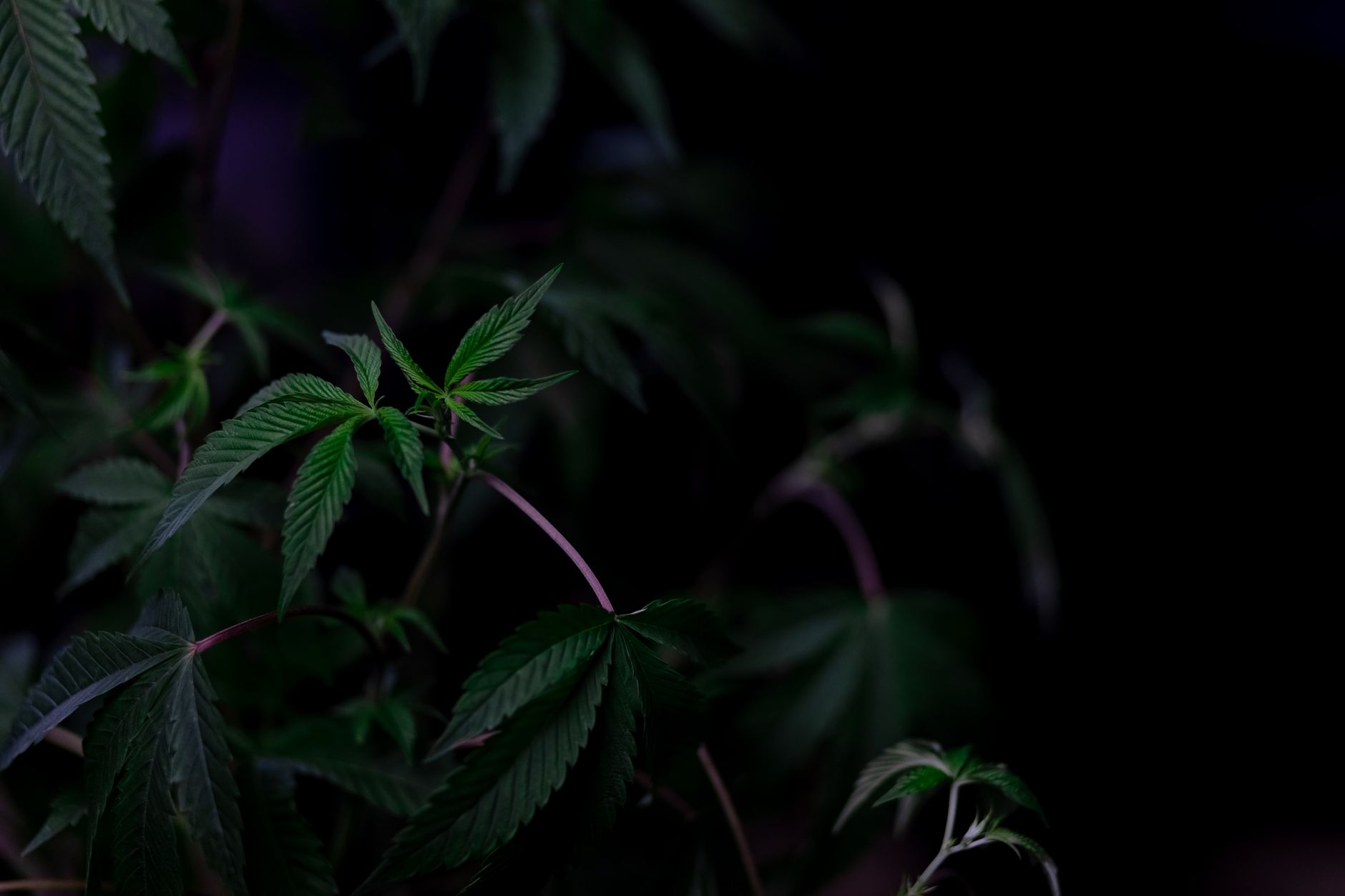
Your British home is quietly trying to kill your crop. Not frost, not cold, not nutrient lockout , humidity. The average UK indoor humidity sits between 60 and 75% RH for much of autumn and winter, and most grow tents suck that air straight in, evening after evening, until botrytis finds a foothold in week six of flower. The fix is not buying an expensive dehumidifier and hoping for the best. It is understanding Vapour Pressure Deficit, hitting specific RH targets at each grow stage, and building a simple environmental system that works even in a damp terraced house in Manchester or a Victorian flat in Edinburgh.
Cannabis needs 65 to 70% RH during vegetative growth, 40 to 50% during mid-flower, and 35 to 45% in the final two weeks before harvest. VPD targets of 0.8 to 1.2 kPa drive healthy transpiration throughout. In a damp British home, achieving this means active dehumidification, sealed intake filtration, and at minimum 20% negative pressure in your tent , not passive ventilation alone.
- ✓ UK growers in older or poorly insulated homes
- ✓ Tent growers pulling ambient air from damp rooms
- ✓ Anyone who has lost a crop to late-flower mould
- ✓ Growers who want VPD explained in plain numbers
- ✓ First-time indoor growers in northern England, Wales or Scotland
- ✗ Outdoor growers (see our outdoor seed range)
- ✗ Growers in climate-controlled purpose-built facilities
- ✗ Anyone looking for strain-specific grow guides (check our blog)
What is VPD and why does it matter for UK growers?
VPD , Vapour Pressure Deficit , is the difference between the amount of moisture air currently holds and the maximum it could hold at the same temperature. It is expressed in kilopascals (kPa) and is a far more accurate indicator of plant transpiration stress than RH% alone.
When VPD is too low (air nearly saturated), leaves cannot transpire efficiently. Stomata close, nutrient uptake slows, and the leaf surface stays wet long enough for botrytis spores to germinate. When VPD is too high, plants transpire faster than roots can supply water, causing wilting and reduced yield.
For UK growers, the danger is almost always low VPD. Cold, damp ambient air pulled into a tent on an October night can drop VPD below 0.4 kPa in under an hour. According to published research in the Journal of Cannabis Research, cannabis plants grown under chronically low VPD show measurably reduced terpene expression and higher susceptibility to fungal pathogens compared to plants maintained at 0.8 to 1.2 kPa.
The practical VPD targets widely reported across grower journals and breeder documentation are:
- Seedling (0 to 14 days): 0.4 to 0.8 kPa (higher RH tolerated)
- Vegetative (week 2 onwards): 0.8 to 1.05 kPa
- Early flower (week 1 to 3): 1.0 to 1.2 kPa
- Mid to late flower (week 4 to harvest): 1.2 to 1.6 kPa
Stop chasing RH% in isolation. Once you dial in leaf temperature (within 1 to 2°C of air temperature) and hit VPD targets of 0.8 to 1.2 kPa through veg and early flower, most humidity problems solve themselves. RH% alone is a blunt tool , VPD is the precision instrument.
What RH% should cannabis be at each grow stage?
RH targets shift significantly across a cannabis plant's life. Getting them right at each stage is non-negotiable in the UK, where ambient air constantly pushes conditions in the wrong direction.
| Stage | Ideal RH% | Temperature (°C) | VPD Target (kPa) | Risk if Too High |
|---|---|---|---|---|
| Seedling | 70, 80% | 22, 26°C | 0.4, 0.8 | Damping off |
| Vegetative | 60, 70% | 22, 28°C | 0.8, 1.05 | Slow uptake, mildew |
| Early Flower | 50, 60% | 20, 26°C | 1.0, 1.2 | Powdery mildew |
| Mid Flower | 40, 50% | 18, 24°C | 1.2, 1.5 | Botrytis (bud rot) |
| Late Flower / Flush | 35, 45% | 18, 22°C | 1.4, 1.6 | Catastrophic bud rot |
Notice that the risk escalates as the plant matures. A seedling can bounce back from a night at 80% RH. A dense cola in week six of flower cannot. This is where most UK crop losses actually happen , growers managing seedlings carefully, then relaxing discipline exactly when the stakes are highest.
The hardest stage to manage in a UK home is mid to late flower, coinciding with September through November when ambient RH peaks. Plan your grow calendar so dense, late-flower plants are not sitting through peak-autumn humidity without active dehumidification in place.
Why damp British homes are especially risky for indoor growers
According to Met Office UK climate averages, mean monthly relative humidity across the UK ranges from 75 to 88% between October and February. In Scotland, Northern Ireland and coastal Wales, those figures push even higher on wet westerly days.
Older housing stock makes this far worse. Pre-1980 construction , which accounts for a large share of UK rental and owner-occupied property , offers poor vapour barriers, single-glazed or thin double-glazed windows, and minimal roof insulation. Cooking, bathing and breathing raise indoor humidity substantially above outdoor levels, particularly in poorly ventilated flats.
A 1.2m x 1.2m grow tent sitting in a living room that already reads 65% RH is pulling that air in continuously. Without a dedicated dehumidifier inside the tent or a sealed intake drawing from a drier source, hitting 45% RH during flower is nearly impossible using fan speed alone.
Looking at the support questions fielded most often from UK home growers, a clear pattern emerges: mould complaints spike in September and October, almost always tied to growers who ran fine through summer veg but hit trouble the moment nights turned cool and wet , classic British autumn conditions lowering VPD into the danger zone overnight.
Do not treat your tent as an island. It is directly coupled to the room it sits in, and that room is directly coupled to the British weather. Environmental control starts at the room level first, then the tent level second.
The 15% Buffer Rule: how much headroom do you actually need?
Your active dehumidification system must be capable of pulling RH at least 15 percentage points below your ambient room reading at all times during flower.
Formula: Ambient RH% minus 15 = minimum achievable tent RH. If your target is 45% RH in mid-flower, your ambient room must be at or below 60% , or your dehumidifier must have enough capacity to bridge the gap.
Example: A bedroom in Leeds in October reads 68% RH. Without intervention, your tent will hover around 70% during lights-off. You need a 500 ml/day or larger dehumidifier running inside the tent to pull down to 45%, a 23-point drop. Running a 250 ml/day unit will get you to roughly 55 to 58% , still above the botrytis threshold. Size accordingly, not optimistically.
The 15% Buffer Rule is designed as a minimum planning figure, not a guarantee. Dense canopies transpire significant moisture , breeder documentation and grower journals consistently note that a fully canopied 1.2m tent in mid-flower can add 0.3 to 0.5 litres of water vapour per 24-hour period to tent air from transpiration alone. Factor that into your dehumidifier sizing.
How to control humidity in a grow tent step by step
Step 1: Measure ambient room RH accurately
Buy a calibrated digital hygrometer with min/max memory. Place one inside the tent and one outside. Log readings over 48 hours before changing anything. Most growers under-estimate their room RH by 8 to 12% because they only check during the day when heating lowers humidity.
Step 2: Seal your intake and control your source air
Passive intakes pull uncontrolled ambient air. Where possible, route intake ducting from a smaller, drier room , an airing cupboard or a room with a running radiator often reads 5 to 10% lower RH than a main living space. Even this small improvement compounds significantly over a 9-week flower cycle.
Step 3: Size your dehumidifier to actual load, not tent size
Dehumidifier capacity ratings are measured at 30°C and 80% RH , real-world performance in a 22°C tent at 60% RH is typically 40 to 60% of the stated capacity. A unit rated at 500 ml/day delivers roughly 200 to 300 ml/day under real tent conditions. For a 1.2m x 1.2m tent in mid-flower, target a rated capacity of at least 750 ml/day.
Step 4: Use airflow to break the boundary layer
Botrytis thrives in the still, humid microclimate directly around dense buds , the boundary layer. An oscillating fan set to low, pointed across (not directly at) the canopy, breaks this layer and reduces local RH around bud sites by 3 to 5%, even when tent RH reads correctly. This is cheap and often overlooked.
Step 5: Defoliate strategically at week 3 of flower
Dense, overlapping foliage traps humid air and blocks airflow to lower bud sites. Removing 20 to 30% of mid-canopy fan leaves at week three of flower opens the structure, lowers transpiration surface area, and measurably reduces the mould risk window. Aggregated grower reports consistently identify skipping this step as a leading cause of late-flower botrytis in high-density canopies.
Step 6: Manage the lights-off humidity spike
Humidity always rises when lights go off. The canopy cools, transpiration drops, and ambient room RH bleeds in. Run your lights during the coldest part of the day (overnight for many UK growers) so the room is warmer and drier during the lights-off period. If that is not possible, increase fan speed or dehumidifier runtime by 20% in the two hours following lights-off.
Steps 1 and 3 do 80% of the work. Growers who accurately measure first and size their dehumidifier honestly rarely lose crops to mould. Those who guess at both almost always do by week six.
Myth vs Reality: the humidity mistakes most UK growers make
"If my exhaust fan is on full, humidity sorts itself out."
If intake air is 65% RH, exhausting it and replacing it with more 65% RH air achieves nothing. You must either dehumidify the incoming air or dehumidify inside the tent.
"50% RH is fine all the way through flower."
50% RH at 22°C gives a VPD of roughly 0.65 kPa , below optimal for mid-flower. Botrytis germination probability increases sharply above 50% in dense colas from week five onwards.
"Indica strains are immune to mould because they finish faster."
Dense indica structure actually traps humidity more effectively than open sativa phenotypes. Faster finish helps, but without airflow management, indica seeds are not automatically safer in damp conditions.
"A cheap portable dehumidifier from a supermarket is fine."
Peltier-based mini dehumidifiers (most units under £40) perform at roughly 10 to 15% of their stated capacity at typical tent temperatures. Compressor-based units are meaningfully more effective but need adequate tent space and ventilation.
Royal King Seeds Humidity Risk Rating: strain structure vs UK damp conditions
Not all genetics carry equal risk in high-ambient-humidity conditions. This rating assesses four dimensions: canopy density (how well air moves through the structure), flower compactness (how tightly buds form , directly tied to botrytis risk), cycle length (shorter = less total exposure), and beginner manageability.
| Genetic Type | Canopy Density Risk | Bud Compactness Risk | Cycle Exposure | Beginner Risk |
|---|---|---|---|---|
| Autoflowering | Low | Low, Medium | Low (70, 85 days) | Low |
| Sativa / Sativa-dominant | Low | Low | High (14, 18 weeks) | Medium |
| Indica / Indica-dominant | Medium, High | High | Low, Medium (8, 11 weeks) | Medium |
| Fast-flowering feminised | Medium | Medium | Low (6, 8 weeks flower) | Low, Medium |
| Standard feminised photoperiod | Medium, High | Medium, High | Medium (9, 12 weeks flower) | High |
The strain finder tool lets you filter by flowering time and structure to identify lower-risk genetics for your specific setup.
Autoflowering and fast-flowering genetics consistently present the lowest humidity risk profile for UK home growers. Shorter cycle exposure combined with generally more open structure reduces both the duration and density of the botrytis risk window. If environmental control is genuinely difficult in your space, genetics selection is the first lever to pull.
What happens if you get the humidity wrong?
- Setup: 1.2m tent, 750 ml/day dehumidifier, oscillating fan
- Mid-flower RH: 44, 47%
- VPD: 1.2, 1.4 kPa
- Outcome: Dense, resin-coated harvest, no mould, full terpene expression
- Risk level: Low
- Setup: Same tent, no dehumidifier, passive intake
- Mid-flower RH: 65, 72% (ambient bleed-in)
- VPD: 0.4, 0.6 kPa (critically low)
- Outcome: Botrytis visible in central colas by week 6, partial or total crop loss
- Risk level: Very High
Bottom line: the only variable separating these two outcomes is £60 to £90 of active dehumidification equipment and the discipline to measure first. Everything else about the grows is identical.
Common humidity mistakes UK home growers make (and how to fix them)
Mistake 1: Measuring RH during lights-on only
Lights generate heat which suppresses RH readings. A tent reading 52% at midday during lights-on can spike to 68 to 72% within two hours of lights-off. Fix: use a min/max hygrometer and check the overnight peak reading every morning. That peak is your real risk number.
Mistake 2: Relying on a Peltier mini dehumidifier
These units underperform severely at temperatures below 25°C. Most UK tents run at 20 to 24°C , exactly the range where Peltier efficiency collapses to under 15% of stated capacity. Switch to a small compressor-based unit. The price difference is roughly £30 to £50 and the performance difference is dramatic.
Mistake 3: Watering too heavily late in the cycle
Overwatering in week five or six of flower raises tent humidity through substrate evaporation and excess transpiration. Allow pots to dry to 30% of wet weight before re-watering in late flower. This single change can reduce ambient tent RH by 4 to 6% without any additional equipment.
Mistake 4: Skipping defoliation because "it stresses the plant"
Mild tactical defoliation at week three of flower causes minimal stress and delivers significant airflow improvement. Leaving a full canopy into late flower to "protect" the plant actually creates the microclimate conditions botrytis needs. Light defoliation , removing 20 to 25% of mid-canopy leaves , is a net benefit in almost all UK damp scenarios.
Mistake 5: Ignoring the room before fixing the tent
Running a window in the grow room slightly open, using a room-level dehumidifier during autumn and winter, or even drying laundry outside the room rather than inside it can drop ambient RH by 8 to 15%. These are free or near-free interventions that meaningfully reduce the load on tent-level equipment.
"Your tent RH target and your room RH are connected. You cannot achieve 45% in the tent if the room is 70% , not without active dehumidification rated for the actual gap, not the optimistic one."
If managing environment still feels overwhelming, selecting genetics with shorter cycles and more open structure removes a significant amount of the risk at the source. Our fast-flowering seeds and autoflowering seed range are selected specifically with the British season and damp indoor conditions in mind.
Short cycles, open structure, and mould-tolerant genetics selected for British home grows.
Shop Best Indoor StrainsFrequently Asked Questions
What RH% causes bud rot in cannabis?
Can I grow cannabis indoors in a damp UK home without a dehumidifier?
What is a good VPD for cannabis in the UK?
Why is humidity higher in my tent than in my room?
How do I reduce humidity in my tent cheaply?
My hygrometer reads 45% but I still got mould , why?
Should I leave the tent open at night to ventilate?
Are autoflowers better for damp UK homes than photoperiod strains?
What temperature and humidity combination is the danger zone for botrytis?
Can I use silica gel packets to control tent humidity?
Why did my strain description say "mould resistant" but it still got botrytis?
How do I know if my dehumidifier is actually working inside the tent?
From fast-finishing autoflowers to high-yield feminised genetics , all suited to UK indoor growing.
Shop All Cannabis SeedsSources
Ready to Start Growing?
Browse over 1,200 premium cannabis seeds with discreet shipping to all the United Kingdom and our 95% germination guarantee.
Shop Cannabis Seeds