Terpenes and Aroma: Why the Same Strain Smells Different
Royal King Seeds
Cultivation team
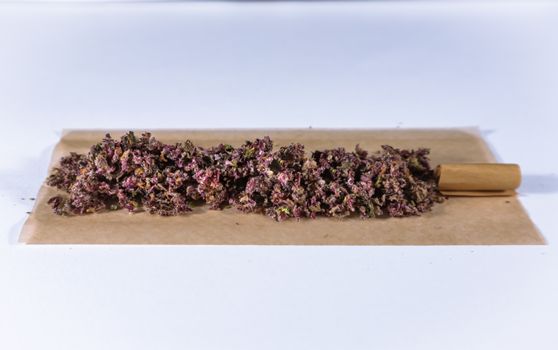
Two bags. Same strain name on the label. One smells like a fruit bowl left in the sun; the other is flat, grassy, almost medicinal. Most buyers assume one of them is a fake , but that's the wrong conclusion. The real culprit is terpene expression, and it's one of the least understood forces in cannabis cultivation. The gap between a strain that hits you with a wall of tropical citrus and one that barely registers isn't about genetics alone. Environment, harvest timing, curing conditions and even the specific phenotype you grew can swing the entire aroma profile. This guide explains exactly what drives those differences and what you can control.
Terpenes are volatile aromatic compounds produced in the same resin glands as cannabinoids. The same genetic strain can produce measurably different terpene profiles depending on temperature, light intensity, soil chemistry, humidity, harvest timing and post-harvest cure. Research published in the Journal of Cannabis Research confirms that environmental conditions during the final weeks of flowering have the greatest single influence on terpene concentration , often more than the underlying genotype itself.
- ✓ Growers who want to maximise terpene expression from their seeds
- ✓ Buyers confused by aroma variation in named strains
- ✓ UK cultivators growing outdoors in variable conditions
- ✓ Anyone who's cured a crop and found the smell disappointing
- ✓ Growers choosing between phenotypes for aroma quality
- ✗ Readers looking for a legal guide to cannabis use in the UK
- ✗ Anyone expecting a single "best terpene" answer (it depends on your grow)
- ✗ Commercial food-grade fragrance applications
What are terpenes in cannabis?
Terpenes are volatile organic compounds produced in the trichomes of cannabis , the same microscopic resin glands that synthesise THC and CBD. They are responsible for the entire spectrum of aroma and flavour you detect in cannabis, from sharp citrus to deep earth to sweet berries.
Plants produce terpenes for practical reasons: to repel insects, attract pollinators and protect against fungal infection. Cannabis has evolved an unusually rich terpene chemistry, with over 200 distinct compounds identified in published analytical work. In a typical high-terpene phenotype, the total terpene content in dried flower sits between 1% and 3.5% by weight.
In the UK, there is growing awareness that terpenes influence the character of the experience beyond simple THC content. Peer-reviewed research indexed on PubMed increasingly points to what researchers call the "entourage effect" , the interaction between cannabinoids and terpenes that shapes both aroma and effect.
Terpenes are not cosmetic. They are the biochemical fingerprint of a phenotype grown in a specific environment. Understanding what drives them is the difference between growing something that smells average and growing something that stops people mid-room.
Why does the same strain smell different from grow to grow?
Same strain, same seeds, completely different aroma , this is one of the most common sources of confusion in cannabis cultivation. The answer comes down to four overlapping variables: environment during the grow, phenotype selection from seed, harvest timing, and post-harvest handling.
Terpene synthesis is enormously sensitive to external conditions. A temperature swing of just 4, 6°C during the final two weeks of flowering can shift the dominant terpene from myrcene (earthy, musky) to limonene (sharp citrus) in the same genetic line. This is not a marginal effect , it has been documented in multiple controlled cultivation studies.
From the customer support questions that come up most often around harvest time, one pattern is consistent: growers who harvest slightly early, then cure in warm conditions, consistently report flat, grassy aroma. Growers who flush thoroughly, harvest at peak trichome maturity and cure at 15, 18°C for 4, 6 weeks report the aroma they expected from the strain description.
If the same strain smells different from two sources or two runs, the genetics are rarely to blame. Environment and post-harvest handling account for the overwhelming majority of aroma variation in practice. Fix those variables first before changing strains.
The five terpenes that drive cannabis aroma most
Out of 200-plus identified compounds, five terpenes appear as dominant players across the majority of popular strains. Knowing what each smells like , and what degrades it , lets you troubleshoot aroma problems specifically.
| Terpene | Aroma | Boiling Point | Most Sensitive To | Common In |
|---|---|---|---|---|
| Myrcene | Earthy, musky, herbal | 167°C | High cure temperature | OG Kush, Afghan, Mango |
| Limonene | Citrus, lemon, sharp | 176°C | Light degradation | Lemon Haze, Super Lemon, Agent Lemon |
| Caryophyllene | Pepper, spice, wood | 130°C | Rough handling (breaks trichomes) | GSC, Sour Diesel, Bubba Kush |
| Linalool | Floral, lavender, soft | 198°C | Oxygen exposure during cure | Lavender, Amnesia, Purple strains |
| Pinene | Pine, fresh, sharp | 155°C | High humidity during drying | Jack Herer, Blue Dream, Trainwreck |
Notice the boiling points. Caryophyllene is the most heat-sensitive at 130°C, which is why poorly cured or over-dried cannabis loses its pepper notes first. Linalool survives higher temperatures but is destroyed by oxidation, which is why poorly sealed jars strip the floral notes from purple-leaning strains.
If you want to preserve caryophyllene, handle your harvest gently. If you want to protect linalool, use airtight jars and burp carefully. Each terpene has its own enemy , knowing which you're growing for tells you exactly where to protect the process.
How does the growing environment shape terpene output?
Environment is the single biggest lever for terpene expression , consistently bigger than genetics in controlled trials. Five environmental variables matter most.
Temperature
Terpene synthesis peaks when daytime temperatures stay between 24°C and 26°C during late flowering. Above 28°C, volatile terpenes begin to evaporate directly from the plant, reducing total content before harvest. The gap between day and night temperature (the "DIF") also matters: a 6, 8°C drop at night during the final two weeks stimulates terpene accumulation in a way that flat temperatures do not.
Light Intensity and Spectrum
UV-B light (280, 315nm) triggers a stress response in cannabis that increases terpene and cannabinoid production. Per Frontiers in Plant Science, cannabis exposed to supplemental UV-B during the last two to three weeks of flowering shows measurable increases in terpene concentration compared to plants grown under standard white LED alone. This is why greenhouse-grown and outdoor plants often carry richer terpene profiles than pure indoor grows , they receive natural UV.
Soil Versus Hydro
Soil growing , particularly with organic amendments and living soil biology , tends to produce wider terpene variety than synthetic hydro. The working theory is that microbial interaction in the rhizosphere contributes precursor compounds to terpene synthesis. Hydro grows typically produce higher yields but are widely reported by growers to produce narrower, cleaner terpene profiles.
Humidity
Relative humidity above 60% during late flowering creates mould risk and also dilutes the concentration of terpenes in dried flower. Target 40, 50% RH during the last two weeks of flower for maximum terpene density. UK outdoor growers in Wales, Scotland and northern England routinely face RH above 70% in September, which is a core reason outdoor crops from wetter regions often smell less intensely than greenhouse-finished plants.
Nutrient Finishing
Running a flush or low-EC feeding period in the final 10, 14 days reduces mineral salt residues in the plant tissue. Aggregated grower journal reports consistently show that high-EC finishes (above 1.4 EC in the final week) produce a sharper, more chemical aroma in the dried flower, masking the natural terpene profile. Flushing to below 0.5 EC or switching to plain water allows terpenes to dominate.
If you're growing indoors and want maximum terpene expression, the two highest-impact changes are adding a UV-B period in the final three weeks and enforcing a 6, 8°C night temperature drop. These two steps alone consistently differentiate growers who produce exceptional aroma from those who produce average.
Phenotype variation: why the same seeds can smell completely different
Cannabis grown from seed , even feminised seed , produces phenotypic variation. Two plants from the same pack can express different terpene profiles because they carry slightly different gene expression within the same strain framework. This is normal and expected.
In a typical feminised seed run of four to six plants, growers commonly find one or two phenotypes that express the strain's signature terpene strongly, one or two that lean toward secondary terpenes (often earthier or more subdued), and occasionally one that is an outlier in both aroma and structure.
This is why experienced growers "hunt phenotypes" , they germinate multiple seeds from the same strain and select the individual that best expresses the aroma and growth pattern they want. That selected plant is then cloned to lock in the specific terpene expression. If you buy commercially produced cannabis and find the same named strain smelling different from different producers, it is almost certainly because they selected different phenotypes from the same seed line.
Our strain finder tool can help you identify genetics known for strong terpene expression across multiple phenotypes , a useful starting point before committing to a larger seed run.
Phenotype hunting is not just for professional breeders. Any grower running four or more seeds from the same strain should nose-test each plant at week 4, 5 of flower and tag the individual with the strongest terpene expression. That is your keeper for future runs.
How harvest timing and curing change the smell entirely
Post-harvest handling is where most terpene loss happens , and it's entirely within the grower's control. Two plants with identical genetics and identical growing conditions can end up smelling dramatically different if one is harvested early and cured warm while the other is harvested at peak and cured cold and slow.
Harvesting at Peak Trichome Maturity
Terpene content in the flower peaks when trichomes are predominantly cloudy-to-amber. Harvesting while trichomes are still predominantly clear means harvesting before the plant has completed terpene synthesis. The result is lighter, more volatile aroma that also degrades faster. Wait for 60, 70% cloudy with 20, 30% amber for peak terpene density in most strains.
Drying Temperature
The ideal drying environment is 15, 18°C with 50, 55% relative humidity, in darkness, with slow airflow (a fan pointing at a wall, not directly at the plant). At above 24°C, volatile terpenes evaporate during the drying phase before they even reach the jar. Widely reported grower data shows a 30, 40% reduction in total terpene content between drying at 18°C versus 24°C.
Curing in Sealed Glass Jars
Curing in sealed glass jars at 15, 18°C for a minimum of four weeks allows the remaining chlorophyll to break down and the remaining moisture to redistribute through the flower. This process concentrates the terpene aroma significantly. Opening jars for 15, 20 minutes once or twice per day for the first two weeks (burping) prevents mould while allowing the chemical process to complete.
If your finished flower smells weaker than you expected, the most likely culprits in order are: (1) drying too warm, (2) curing too briefly, (3) harvesting too early. Fix these three before concluding the genetics underperformed.
Myths vs reality about cannabis aroma
"Stronger smell = higher THC."
Terpene content and THC content are produced in the same glands but are not correlated. A strain can be extremely fragrant with modest THC, or high-THC with minimal aroma. They are separate biosynthetic pathways.
"The strain name tells you exactly what it will smell like."
The name tells you the genetic lineage. The actual aroma depends on phenotype selection, growing environment, harvest timing and cure. The same strain can smell like two different plants.
"Outdoor cannabis always smells worse than indoor."
Outdoor plants receive natural UV-B and significant temperature variation, both of which stimulate terpene production. Well-grown outdoor cannabis frequently out-performs indoor in terpene diversity, though total concentration varies by season.
"Freeze-drying preserves terpenes better than slow curing."
Freeze-drying preserves the volatile terpene fraction well, but skips the chlorophyll breakdown and moisture redistribution that slow curing provides. Both methods have merits; for homegrowers, slow glass-jar curing at cool temperatures remains the most practical approach for maximising aroma.
The Simple Rule Most UK Growers Miss
Every 2°C above 18°C during drying costs you roughly 5, 8% of your volatile terpene content. Every week under four weeks of curing leaves measurable aroma potential on the table.
Formula: ideal dry temp (18°C or below) + minimum cure (4 weeks in sealed glass at 15, 18°C) + burp daily for the first two weeks = the aroma the genetics were always capable of producing.
Example: a Lemon Haze phenotype dried at 24°C for 7 days and smoked immediately will smell sharp and grassy. The same harvest dried at 16°C for 10, 12 days then cured 6 weeks in sealed glass will express the full citrus-limonene profile the breeder intended. Same genetics. Completely different result.
If you're chasing terpene-rich genetics from the start, our exotic cannabis seeds and fruity cannabis seeds collections are selected for strong terpene expression across multiple phenotypes , the kind of aroma complexity that rewards careful drying and curing.
Common mistakes that kill terpene expression
Mistake 1: Drying in a warm tent or spare room
Room temperature in a UK home in October often sits at 20, 22°C. That is 2, 4°C above the ideal. The result is fast drying that evaporates volatiles before they lock into the cured flower. Use a cool room, a garage or a dedicated drying box with temperature control. The drying phase should take 10, 14 days, not 5, 7.
Mistake 2: Opening jars daily for more than 20 minutes
Burping is necessary, but over-burping is as damaging as under-burping. Linalool and limonene oxidise rapidly on exposure to air. Keep burp windows to 15, 20 minutes maximum. After the first two weeks, burp every three days. After four weeks, sealed storage is sufficient for most strains.
Mistake 3: Harvesting when any amber appears
The first amber trichomes appear before peak terpene density. The window to maximise terpenes sits at 60, 70% cloudy with 20, 30% amber. Harvesting at first amber , a common beginner instinct , means harvesting before the plant has finished producing. The aroma will be thin compared to what the strain can deliver.
Mistake 4: Running high EC in the final week
Mineral residues left in plant tissue at harvest create a sharp, chemical edge to the aroma that overrides the natural terpene profile. Flushing to below 0.5 EC or switching to plain water for the final 10, 14 days allows the natural terpene character to dominate. This is one of the most consistent findings across public grower journal comparisons.
Mistake 5: Skipping the night temperature drop indoors
Many indoor growers maintain flat 24°C around the clock for uniformity. That flat temperature suppresses the DIF response that stimulates terpene accumulation in the final weeks. Dropping nighttime temperatures to 17, 18°C for the last two weeks of flower reliably increases terpene density , and as a bonus, it also encourages purple and anthocyanin expression in relevant genetics.
Mistake 6: Storing cured flower above 18°C long-term
Even perfectly cured flower degrades in warm storage. Myrcene has a particularly high vapour pressure , it continues to slowly evaporate even from sealed jars at room temperature. For long-term storage beyond eight weeks, cool dark conditions (below 15°C) are significantly better than shelf storage in a warm room.
Most terpene disappointment is a post-harvest problem, not a genetics problem. Run through this list before changing strains: temperature at drying, duration of cure, harvest timing, final-week EC and storage temperature. These five corrections alone account for the vast majority of aroma underperformance reported by growers across public forums and breeder support channels.
For growers who want to dial in every variable, our nutrient calculator can help plan the final flush and low-EC finishing schedule that sets up terpene expression correctly from the last week of flower.
Looking for genetics selected for exceptional terpene expression?
Browse Our Full Seed CollectionFrequently Asked Questions
Why does my cannabis smell like cut grass after drying?
Can the same strain smell like citrus in one grow and earthy in another?
What is the best temperature to cure cannabis for maximum terpene retention?
Does growing in soil really produce more terpenes than hydroponics?
Why didn't my strain smell the way the breeder described it?
Can terpenes actually affect how cannabis feels, not just how it smells?
How long should I cure cannabis to get the best smell?
Do autoflowering strains produce less terpene than photoperiod strains?
My cured buds lost their smell after two months in a jar , what happened?
Should I grow several plants to find the best-smelling phenotype?
Does UV light during growing really improve terpene production?
Can I improve the smell of cannabis that was cured too fast?
Want genetics known for stand-out terpene profiles? Start with our highest-rated aromatic collections.
Sources
Ready to Start Growing?
Browse over 1,200 premium cannabis seeds with discreet shipping to all the United Kingdom and our 95% germination guarantee.
Shop Cannabis Seeds