Greenhouse Growing in the UK: Extending a Short Season
Royal King Seeds
Cultivation team
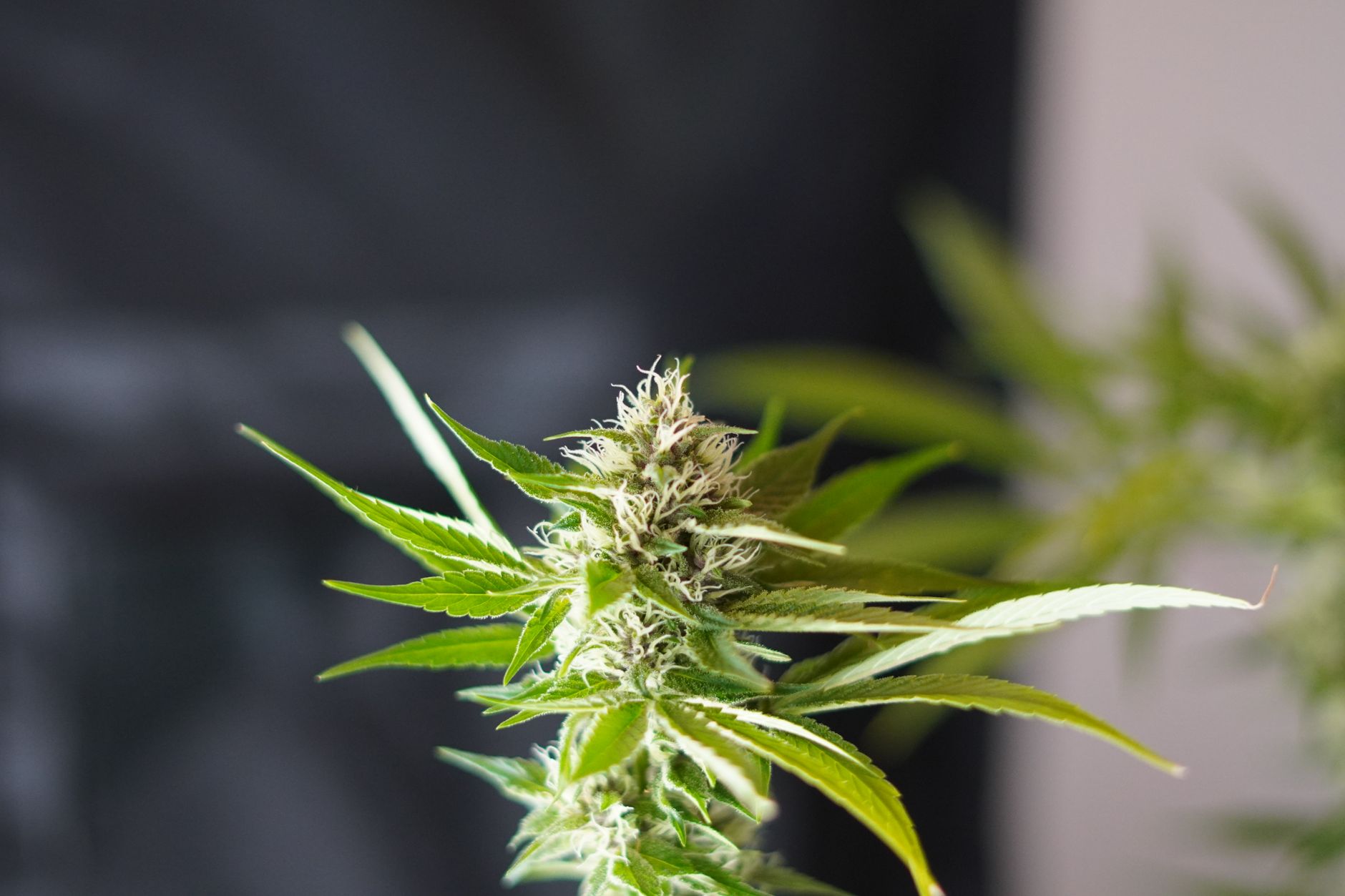
The British climate is not your biggest problem. Your calendar is. Most outdoor growers in the UK lose their crop not to bad weather in the middle of summer, but to a wet, cold October that arrives while buds are still swelling. A greenhouse does not change the weather , it changes when the weather affects you, and that gap of 6 to 10 extra weeks is the difference between a full harvest and a mould-ruined disappointment. The growers who understand that greenhouse growing is a timing system, not just a shelter, consistently pull heavier, cleaner crops. This guide explains exactly how to run that system from the first frost date in your region to the last day of October.
A polycarbonate or glass greenhouse in the UK extends your usable growing window by 6 to 10 weeks compared with direct outdoor growing , typically allowing starts from mid-March (versus late April to early May outdoors) and harvests stretching into mid-to-late October. Paired with fast-flowering seeds or autoflowering varieties, a greenhouse makes a reliable UK harvest achievable even in northern England, Wales and Scotland.
- ✓ UK growers wanting to start earlier in spring
- ✓ Anyone who has lost a late-season crop to October rain or frost
- ✓ Growers in northern England, Wales or Scotland with short seasons
- ✓ Those choosing between autoflowers and photoperiod strains for a greenhouse
- ✓ Beginners setting up their first unheated polytunnel or glasshouse
- ✗ Full indoor tent growers (separate environment entirely)
- ✗ Growers in heated, climate-controlled commercial greenhouses
- ✗ Anyone looking for legal guidance (see our legal page)
Why Does a Greenhouse Beat Direct Outdoor Growing in the UK?
A greenhouse extends your season at both ends , earlier in spring and later in autumn , while shielding plants from the persistent wet that defines British weather. According to Met Office 1991, 2020 climate normals, the average last air frost across southern England falls in early to mid-April, while direct outdoor planting before mid-May carries serious cold risk. An unheated greenhouse shifts that safe start date to mid-March in the South and early April in the Midlands.
At the other end of the season, autumn rainfall is the bigger threat. Average October rainfall across England and Wales runs 80 to 100 mm , that moisture, sitting on dense canopies overnight, creates the ideal conditions for Botrytis (grey mould). A greenhouse roof alone cuts that exposure dramatically without any heating cost.
The result: a greenhouse grower in Yorkshire can realistically achieve what a direct outdoor grower in Devon struggles with. It is the single biggest intervention available to UK cannabis growers who cannot or do not want to grow indoors.
For anyone growing above the Midlands, a greenhouse is not a luxury , it is a necessity for consistent harvests. Even a simple polycarbonate lean-to changes the viability of the entire season. Pair it with the right strain selection and it becomes the most cost-effective upgrade available to a UK outdoor grower.
The UK Greenhouse Season Calendar
Timing is everything. The table below maps the typical risk level for each month in an unheated UK greenhouse, based on Met Office climate normals and widely reported patterns from public grower journals. Use it to plan starts, training and harvest windows.
Frost risk
Do not start
Frost risk
Do not start
Caution
South only, fleece ready
Safe (South)
Caution (North)
Ideal
Start confidently
Ideal
Peak growth
Ideal
Peak growth
Good
Flower begins
Caution
Mould risk rises
High risk
Harvest or lose
Frost risk
Season over
Frost risk
Season over
The September window is where most greenhouse crops are won or lost. Temperatures drop, humidity climbs, and daylight hours fall sharply , triggering flower in photoperiod strains right when mould pressure is at its worst. Autoflowers avoid this problem by flowering independently of the light cycle, meaning a May start delivers harvest in July or August, well ahead of the wet season.
The optimal greenhouse start window for most of the UK is late April to mid-May. Starting earlier is possible in the South with frost protection, but adds complexity. Starting later than mid-May compresses your harvest window and increases September mould exposure for photoperiod strains.
The 14-Day Buffer Rule for UK Greenhouse Growers
Every strain grown in a UK greenhouse should complete harvest at least 14 days before the historical average first autumn frost in your region.
Formula: Breeder cycle (days) + 7 days germination variance + 7 days weather variance = true finish date. Subtract from regional first-frost date to find your buffer.
Worked example: An 80-day autoflower started May 1 finishes around July 20 with variance. Average first air frost in Leeds is late October , that gives roughly 90 days of buffer. Safe. The same strain started August 1 finishes mid-October, inside the frost window. Risky.
This rule sounds simple, but it is the calculation most growers skip. They check the breeder's stated days, assume the best case, and start too late. The 7-day germination variance accounts for slow taproots, temperature fluctuation, and suboptimal early conditions. The second 7 days covers weather delays , a cold spell in May that stalls early growth by a week is extremely common in northern England.
Apply this rule before you buy seeds, not after. Use our strain finder to filter by cycle length and match your regional frost window.
Build the 14-day buffer into every seed selection decision. Growers who run right to the wire with a 90-day strain in Scotland or northern England are gambling on weather. A 70-day autoflower started in May leaves 10, 12 weeks of buffer in almost every UK postcode , that margin is what separates a clean harvest from a mould disaster.
Which Strains Work Best in a UK Greenhouse?
Strain selection is the most important greenhouse decision you will make. Two categories stand out for British conditions.
Autoflowering strains are the dominant choice for UK greenhouse growing. They flower on a fixed internal timer regardless of light hours, meaning they finish in 70 to 85 days total from germination. A May start delivers a July or August harvest , completely avoiding the September mould window. Autoflowering seeds also allow two full greenhouse cycles per season if you start the second batch in late June.
Fast-flowering photoperiod strains are the alternative for growers who want the heavier yields of feminised genetics. Fast-flowering seeds typically complete flowering in 7 to 8 weeks instead of the standard 9 to 11, meaning a greenhouse start in April gives a September harvest with at least two weeks of buffer before first frost in most southern and midland regions.
| Strain Type | Cycle | Typical Yield (greenhouse) | Mould Resistance | Cold Tolerance | Best UK Region | Beginner Rating |
|---|---|---|---|---|---|---|
| Autoflower | 70, 85 days total | 60, 150 g/plant | Medium, High | High | All regions | 9/10 |
| Fast-Flowering Feminised | 70, 85 days flower | 150, 350 g/plant | Medium | Medium | South, Midlands | 7/10 |
| Standard Feminised (photoperiod) | 90, 110 days flower | 200, 450 g/plant | Low, Medium | Low | South only | 5/10 |
| Indica-dominant feminised | 55, 65 days flower | 150, 280 g/plant | Medium, High | Medium, High | Midlands, North | 7/10 |
For growers looking to maximise yield while keeping risk low, feminised indica seeds offer a middle ground , shorter flowering times than sativa hybrids, denser structure, and better cold and mould tolerance. Browse our full best strains for outdoor growing collection to filter by these traits.
If you are in any doubt, choose autoflowers. They remove the light-cycle dependency, finish faster, and tolerate the temperature swings of a British spring far better than standard photoperiod genetics. Save the big feminised plants for when you have a full season under your belt and know your local frost window precisely.
Greenhouse Season Length by UK Region
The UK's growing season gradient runs north to south, and coastal to inland. Here is what that means for your greenhouse start and harvest dates, based on Met Office 1991, 2020 climate normals and RHS hardiness guidance.
South West England (Devon, Cornwall, Bristol)
Last frost: late March to early April. First frost: late November. Frost-free greenhouse window: approximately 220, 240 days. The longest season in the UK , even standard feminised photoperiod strains are viable here with an April start. Autoflowers allow two full cycles. The main risk is autumn humidity from Atlantic weather systems.
South East England (London, Kent, Sussex)
Last frost: late March to mid-April. First frost: late October to mid-November. Frost-free greenhouse window: approximately 200, 220 days. Fast-flowering feminised strains started in April harvest comfortably by late September. Two autoflower runs are achievable. Heat retention in an urban greenhouse can push this window further.
Midlands (Birmingham, Nottingham, Leicester)
Last frost: mid to late April. First frost: mid to late October. Frost-free greenhouse window: approximately 170, 190 days. Autoflowers and fast-flowering indicas are the primary recommendation. Standard long-season feminised strains are high-risk and only viable with a heated propagation space in early spring.
Northern England (Leeds, Manchester, Newcastle)
Last frost: late April to early May. First frost: early to mid-October. Frost-free greenhouse window: approximately 150, 170 days. Autoflowering strains started in late April to May are the only reliable option for consistent results. A 70-day auto started May 1 delivers harvest in mid-July with 70+ days to spare before first frost.
Scotland and Northern Ireland
Last frost: early to mid-May in most areas, later in highland regions. First frost: late September to early October. Frost-free greenhouse window: approximately 120, 150 days. Only autoflowering strains with a 70 to 80-day cycle are viable without supplemental heating. A single run started in early May and harvested in late July to early August is the low-risk approach. Per the RHS, much of highland Scotland is rated H7 , meaning temperatures regularly fall below -20°C in winter, and even spring can see damaging frosts well into May.
Northern growers should not try to mimic what South West growers do. The 14-Day Buffer Rule is tighter in Scotland and northern England , start with a 70-day autoflower in May and add a fleece layer for the first three weeks. Do not gamble on a long-season strain because of one warm forecast.
Managing Humidity and Mould in a UK Greenhouse
Humidity management is where most UK greenhouse seasons succeed or fail. Looking at the questions that come up most often in public grower forums, mould complaints cluster around week 4 to 6 of flower , almost always tied to cool overnight temperatures combined with poor airflow inside a closed greenhouse.
The target range during flowering is 40 to 50% relative humidity (RH). Above 60% RH with temperatures below 18°C creates near-ideal conditions for Botrytis. A cheap digital hygrometer placed at canopy level is not optional , it is the most important instrument in the greenhouse.
Practical steps to manage humidity in a UK greenhouse:
- Open ridge vents and side panels from mid-morning to early evening whenever temperatures allow
- Run a battery-powered or USB clip fan at canopy level on a timer , even gentle air movement cuts mould risk dramatically
- Do not water in the evening , wet growing media overnight raises local humidity significantly
- Remove large fan leaves around bud sites in week 3 to 4 of flower to improve airflow through the canopy
- Use a small electric or gas dehumidifier during the September window if budget allows
- If a cold night is forecast, close the greenhouse early to trap daytime heat and raise overnight temperature by 2 to 4°C
According to research published in the Journal of Cannabis Research, Botrytis cinerea is the primary post-harvest and late-season pathogen for cannabis in temperate climates, with spore load correlating strongly with relative humidity above 65% and temperatures between 15 and 20°C , exactly the British September profile.
Invest in airflow before you invest in anything else. A £12 clip fan on a timer does more to protect a UK greenhouse crop in September than most expensive gadgets. Check your hygrometer daily from August onwards and act when it crosses 55% , do not wait until you see the first sign of mould.
Common Greenhouse Growing Mistakes and How to Fix Them
Mistake 1: Starting too late and compressing the harvest window
Growers who wait until June to start often do so out of caution, but they push photoperiod harvest into October and November , the worst mould months. Fix: start autoflowers in late April or early May, with fleece protection ready for cold snaps. The first few weeks in a greenhouse rarely need full heat, just frost protection at night.
Mistake 2: Closing the greenhouse at night in summer and baking plants
Polycarbonate and glass trap heat effectively , on a sunny July day, an unvented greenhouse can reach 40 to 45°C, which stresses plants and slows growth. Fix: automate venting with a temperature-actuated vent opener (under £20 from most garden centres) or open panels manually by 9am on clear days.
Mistake 3: Overwatering in cool spring conditions
Cool soil in March and April means roots use water far more slowly than in midsummer. Widely reported patterns from public grower journals show overwatering in weeks 1 to 3 is the most common cause of seedling stall in spring greenhouse starts. Fix: water only when the top 3 to 4 cm of growing media is dry to the touch.
Mistake 4: Picking strains without checking cycle length against local frost dates
A 100-day feminised strain in a Manchester greenhouse started in May will finish in September , right in the mould window with no buffer. Fix: apply the 14-Day Buffer Rule before every purchase. Use our strain finder to match cycle length to your region.
Mistake 5: Ignoring nutrient lockout in enclosed growing media
Greenhouse pots often sit in the same place all season. Salt build-up from repeated feeding in a container without flush cycles causes lockout , yellowing leaves mid-flower that growers misread as a deficiency and over-correct with more feed. Fix: flush with plain pH-adjusted water every 3 to 4 weeks and use our nutrient calculator to dial in accurate EC targets by growth stage.
Most greenhouse failures are avoidable with three habits: check the hygrometer daily, apply the 14-Day Buffer Rule before buying seeds, and vent aggressively on warm days. Growers who get these three right rarely lose a crop.
What Happens If You Choose the Wrong Strain?
- Strain type: 80-day autoflower
- Start date: 1 May (Midlands greenhouse)
- Harvest date: ~20 July with variance
- Buffer: ~80 days before first frost
- Risk level: Low
- Outcome: Clean, dry harvest in peak summer. No mould. Full cure completed before September rains arrive.
- Strain type: 110-day feminised sativa
- Start date: 1 May (Midlands greenhouse)
- Harvest date: ~18 September with variance
- Buffer: ~28 days , inside the high-mould window
- Risk level: High
- Outcome: Plants in week 6 of flower during peak September humidity. Botrytis appears on inner bud sites. Partial crop loss. Emergency harvest 2 weeks early reduces quality and yield.
Bottom line: the strain decision made in April determines whether September is a harvest or a rescue operation. One choice delivers clean buds in July. The other puts you in the greenhouse with scissors at 2am, cutting away grey mould.
"Your harvest date is fixed the moment you plant. Choose a strain that finishes before September , not one that finishes in September if everything goes perfectly."
Browse our best strains for outdoor and greenhouse growing to filter by cycle length, mould resistance, and region suitability. Or explore our full cannabis seed collection and use the compare tool to check specs side by side.
Frequently Asked Questions
What month should I start growing in a UK greenhouse?
Can autoflowers grow in an unheated UK greenhouse?
How much does a greenhouse extend the UK growing season?
What is the biggest risk in a UK greenhouse in September?
Can I grow photoperiod feminised strains in a UK greenhouse?
Why didn't my plants finish by the date the breeder listed?
Should I grow in pots or in the ground in a greenhouse?
My autoflower stalled at week 6 , what went wrong?
Can I do two greenhouse runs per season in the UK?
How do I stop my greenhouse overheating in summer?
What size greenhouse do I need for four plants?
Do I need to feed differently in a greenhouse versus outdoors?
Ready to plan your greenhouse season? Browse strains matched for UK outdoor and greenhouse conditions, filtered by cycle length and mould resistance.
Browse UK Outdoor & Greenhouse SeedsSources
Related Articles
Ready to Start Growing?
Browse over 1,200 premium cannabis seeds with discreet shipping to all the United Kingdom and our 95% germination guarantee.
Shop Cannabis Seeds