When to Start Cannabis Seeds Outdoors in the UK
Royal King Seeds
Cultivation team
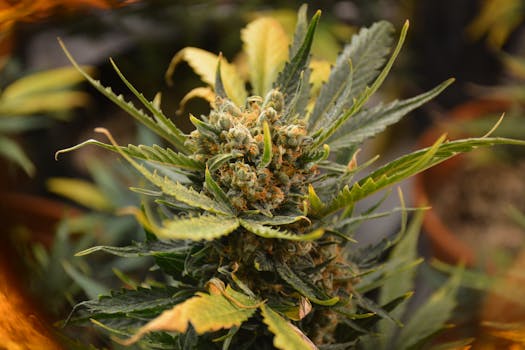
The calendar is a harder enemy than weather, pests, or nutrient deficiencies. Every year, UK growers lose entire outdoor harvests not because of bad genetics or poor technique, but because they started too late and the first October frost arrived before the resin had finished building. The mistake is almost always the same: picking a strain, throwing seeds down in late May or June, and hoping for the best. The correct approach is to work backwards from your regional first-frost date, match that window to your strain's finish time, and build in a buffer. This guide gives you the exact start dates, regional frost data, and a named decision framework so you never lose a season to bad timing again.
UK outdoor cannabis generally starts indoors between late April and mid-May, with transplanting after the last air frost (typically late April in the South West, mid-May in Scotland). Autoflowering seeds finish in 70 to 85 days from germination regardless of light schedule, making them the most forgiving choice for British seasons. Photoperiod feminised strains need 14 or more frost-free weeks and must be started early enough to finish before September rains and October cold.
- ✓ UK outdoor growers planning their season start
- ✓ Growers choosing between autoflowers and photoperiods
- ✓ Anyone who lost a crop to early frost and wants to fix it
- ✓ Growers in northern England, Wales, or Scotland with short seasons
- ✓ First-timers wanting a simple regional timing framework
- ✗ Indoor or greenhouse-only growers
- ✗ Growers in climates outside the British Isles
- ✗ Anyone expecting a strain-by-strain grow guide
- What is the UK outdoor cannabis growing season?
- Autoflower vs photoperiod: which suits a UK season?
- The 14-Day Buffer Rule (named framework)
- Outdoor start dates by UK region
- Regional worked examples with frost data
- UK outdoor cannabis calendar
- Common timing mistakes and how to fix them
- Which strain type should you choose?
- What happens if you choose wrong
- FAQ
What is the UK outdoor cannabis growing season?
The UK outdoor cannabis season runs from the last spring air frost to the first autumn air frost. In practice that window spans roughly late April to mid-October in the South West and South East, shrinking to late May to late September across much of Scotland and Northern Ireland.
According to Met Office 1991 to 2020 climate normals, the average last air frost in the South West falls around mid-April, while central Scotland averages a last frost in mid-May. The first autumn frost arrives in Scotland as early as late September, giving northern growers fewer than 18 frost-free weeks in many locations.
Wet autumns matter more than winter cold in most UK grow advice. September rain and cool nights arriving in week four of flowering is the dominant failure mode, not hard freezes. Mould resistance and a fast finish consistently beat raw cold tolerance as selection criteria for British outdoor genetics.
Work backwards from your regional first-frost date, not forwards from a calendar guess. The South West offers the most generous window; Scotland and Northern Ireland demand strains that finish in 70 to 75 days. If you're not sure of your local frost dates, the Met Office climate averages page is the most reliable free reference available to UK growers.
Autoflower vs photoperiod: which suits a UK season?
Autoflowering seeds flower based on age, not day length. They finish in 70 to 85 days from germination on any light schedule, making the maths simple: start date plus finish time equals harvest date.
Feminised photoperiod strains require shortening days to trigger flowering. In the UK, that shift happens naturally around the August solstice. A photoperiod plant started from seed in May will spend roughly 12 to 14 weeks in vegetative growth before flowering begins, pushing harvest to October or even November in slower genetics.
For growers above the Midlands, autoflowers are almost always the safer call. Below the Midlands, a fast-finishing feminised indica started in late April can work well, but the window is tight and mould-resistant genetics are non-negotiable.
| Criteria | Autoflower | Photoperiod Feminised |
|---|---|---|
| Typical finish time | 70, 85 days from seed | 14, 18 weeks from seed |
| Triggers flowering via | Age (automatic) | Shortening day length |
| Multiple harvests possible? | Yes (2 crops in South) | No (1 per season) |
| Mould risk window | Lower (finishes Aug, Sept) | Higher (finishes Sept, Oct) |
| Best for northern UK? | Yes | Risky without poly-tunnel |
| Typical indoor yield reference | 140, 200 g/plant (11 L pot) | 250, 450 g/plant (outdoors) |
Autoflowers win on timing certainty for the majority of UK growers. Photoperiod strains can deliver larger yields in the South, but they require an early April or May start and excellent mould resistance. If you're north of Birmingham, plan your whole season around autoflower timing.
The Simple Timing Rule Most UK Growers Miss
Every strain picked for a UK outdoor season should complete its harvest at least 14 days before the historical first-frost date for your location.
Formula: Breeder finish days + 7 (germination and early-growth variance) + 7 (weather variance) = true outdoor finish window. Subtract that total from your regional first-frost date to get your latest safe start date.
Worked example: An autoflower with an 80-day breeder rating started in Manchester on 1 May finishes around 19 July with variance. Manchester's average first frost falls around 20 October (Met Office normals). That gives 93 days of buffer , a very comfortable margin. A late start of 1 July, by contrast, pushes harvest to late September, leaving only 21 days before frost, with September mould risk layered on top.
The 14-day buffer is your minimum safety margin. Anything less and a single unseasonable cold snap or two weeks of rain can wipe out a crop. In Scotland, Northern Ireland, or exposed Welsh hillsides, extend that buffer to 21 days. Use the Met Office UK climate averages to find your local frost dates before you commit to a start date.
Outdoor start dates by UK region
The UK north-south gradient is the dominant factor. Last-frost dates shift by three to five weeks between Cornwall and the Scottish Highlands. Coastal areas are warmer in both spring and autumn; inland and elevated sites are colder and frost sooner.
South West England (Cornwall, Devon, Somerset)
Last frost: mid-April. First frost: late October to early November. This is the most generous UK window. Autoflowers can start outdoors direct from mid-May. Fast photoperiod indicas started in late April under fleece can finish by late September. A second autoflower run started in late June is possible in sheltered sites.
South East England and London
Last frost: late April. First frost: late October. Start autoflowers outdoors from mid-May; photoperiods from late April with cloche cover. Urban heat islands in London push first-frost dates later, giving an extra one to two weeks versus surrounding rural areas.
Midlands (East and West)
Last frost: early to mid-May. First frost: mid-October. The Midlands frost-free window runs roughly 22 to 23 weeks. Autoflowers started 1 May to 15 May finish by mid-August, well clear of autumn risks. Fast photoperiod indicas are possible but require mould-tolerant genetics for the damp September finish.
Yorkshire, North West, North East England
Last frost: mid-May. First frost: early to mid-October. The window narrows to 20 to 21 weeks and autumn rain arrives earlier. Autoflowers are strongly preferred; start no later than 20 May. Fast-flowering genetics finishing in 65 to 75 days are the smartest pick here.
Wales
Wales varies sharply by elevation. Coastal south Wales mirrors the South West; upland mid-Wales behaves like northern England. Use the Met Office regional data for your specific postcode. Mould resistance is the single most important trait for Welsh outdoor grows given the Atlantic rainfall pattern.
Scotland and Northern Ireland
Last frost: mid to late May in lowlands, June in Highland glens. First frost: late September to early October. The frost-free window can be as short as 16 to 17 weeks. Only autoflowers finishing in 70 to 75 days are reliably safe. Start seeds indoors in the first two weeks of May and transplant after the last frost. A poly-tunnel extends the season by two to three weeks for serious growers.
South of Birmingham, a careful grower can make photoperiods work with early planting and mould-resistant genetics. North of Birmingham, treat autoflowers as the default unless you're growing under cover. Use the RHS hardiness guidance alongside Met Office frost dates to assess your specific site.
Regional worked examples with frost data
These five examples apply the 14-Day Buffer Rule with Met Office climate normals. All frost dates are approximate based on 1991 to 2020 averages.
Last frost: ~10 April | First frost: ~5 November
Frost-free: ~209 days
80-day auto started 1 May → harvest ~19 July → 108 days buffer. Safe.
Photoperiod indica started 20 April → harvest ~late September → 36 days buffer. Viable.
Last frost: ~20 April | First frost: ~28 October
Frost-free: ~191 days
80-day auto started 10 May → harvest ~28 July → 92 days buffer. Safe.
Photoperiod started 25 April → harvest ~late September → 28 days buffer. Viable.
Last frost: ~5 May | First frost: ~18 October
Frost-free: ~166 days
80-day auto started 10 May → harvest ~28 July → 82 days buffer. Safe.
Photoperiod started 5 May → harvest ~early October → 18 days buffer. Tight , mould-resistant genetics essential.
Last frost: ~12 May | First frost: ~10 October
Frost-free: ~151 days
75-day auto started 15 May → harvest ~28 July → 74 days buffer. Safe.
Photoperiod: not recommended without poly-tunnel cover.
Last frost: ~25 May | First frost: ~28 September
Frost-free: ~126 days
70-day auto started 1 May (indoors until 26 May, transplanted after frost) → harvest ~9 July → 80 days buffer. Safe only with indoor start.
Photoperiod outdoors: not recommended.
UK outdoor cannabis calendar
Too cold. Frost risk. Indoor planning only.
Too cold. Start indoor veg planning.
Start seeds indoors only. No outdoor transplant.
South: seeds indoors, transplant late April (South West only). Elsewhere: wait.
Safe transplant window for most of UK. Autoflowers outdoors from mid-May.
Ideal growth month. Second auto run possible in South.
Early autos from May starts begin harvest. Photoperiods switch to flower.
Peak flowering for most strains. Monitor humidity. Watch for mould.
Harvest autos. Photoperiods finish , mould risk rises fast from mid-Sept.
Photoperiods must be harvested early Oct in South. Frost risk rising.
First frost across UK. Season over. Curing and storage.
Off-season. Plan next year's genetics and timing.
Common timing mistakes UK outdoor growers make
After reviewing hundreds of public UK grower journals and the questions that come up most often in growing communities every spring, the same timing errors appear again and again. Here are the five most costly ones.
Mistake 1: Starting too late to save money on heating
Growers avoid heating propagation trays by waiting until June to start seeds. The result is an autoflower finishing in September with four weeks of mould risk layered on top. A small heat mat (typically £15 to £25) costs far less than a lost harvest. Start seeds indoors in early May regardless of outdoor temperatures.
Mistake 2: Transplanting before the last frost
Young cannabis seedlings in the first two to three weeks are highly vulnerable to frost. A single overnight frost at -2°C can kill or severely stress a seedling. Check your local Met Office data for the average last frost date, then wait until it has passed before transplanting outdoors. In the Midlands, that means waiting until at least 10 to 15 May in most years.
Mistake 3: Choosing a photoperiod strain without checking the finish time
A 70-day flowering photoperiod plant started from seed in May will not begin flowering until late July or early August in the UK, putting harvest at mid to late October. That is well inside the high-mould risk window for most of England, Wales, and all of Scotland. Check the total seed-to-harvest time, not just the flowering period.
Mistake 4: Ignoring the north-south gradient for the same start date advice
Generic "start in May" advice works for a grower in Devon but can leave a Glasgow grower with a harvest that runs into October frost. Your region determines your start date. What works in the South West is often three weeks too late for Scotland. Always calculate from your local frost data, not a national average.
Mistake 5: No buffer for weather variance
Breeders publish finish times as averages under controlled conditions. Real outdoor plants can run seven to ten days longer due to cooler nights, overcast skies, or temperature swings. The 14-Day Buffer Rule exists to absorb this variance. Cutting the buffer to five or six days to squeeze in a late start is the single most common reason experienced growers still lose crops.
Most UK outdoor timing failures share a root cause: working forwards from a convenient start date rather than backwards from the first-frost deadline. Reverse-engineer your season from the frost calendar and these mistakes become far less likely.
If you want help matching start dates to genetics, our strain finder tool lets you filter by finish time and climate suitability to narrow down the right pick for your region.
Which strain type should you choose?
- Short northern season (Scotland, N. Ireland, upland Wales): Auto-flowering indica finishing in 70, 75 days , the only safe default.
- Yorkshire or North West England: Autoflower 75, 80 days, start by 15 May, harvest late July to early August.
- Midlands: Autoflower 80 days or fast-finishing photoperiod indica with mould resistance; start no later than 10 May.
- South East or London: Autoflowers or fast-flowering feminised indicas; photoperiod possible with late-April start under fleece.
- South West, sheltered coastal: Widest options; photoperiod indicas and best outdoor strains all viable with April starts.
- Beginner, any region: Autoflower. Predictable finish, no light schedule management, lower mould exposure time.
- Maximum yield priority (South only): Feminised photoperiod sativa-dominant hybrid, poly-tunnel recommended for autumn protection.
- Two crops in one season: South West and South East only; two autoflower runs (May start + late June start) are achievable in a long, warm year.
What happens if you choose wrong
Region: Leeds, Yorkshire
Start: 10 May (indoors), transplant 25 May
Harvest: ~29 July
Buffer before frost: 73 days
Risk level: Low
Outcome: Plant finishes in peak summer, no September rain exposure, full trichome development, clean dry harvest.
Region: Leeds, Yorkshire
Start: 15 May
Harvest: ~22 September
Buffer before frost: 18 days
Risk level: High
Outcome: Plant finishes deep in the September mould window with a weak buffer. Any cold wet week in mid-September triggers botrytis. One lost week means harvesting under-ripe or losing the crop to rot.
Bottom line: the strain choice made in May determines whether September is a harvest celebration or a mould disaster. The decision takes five minutes; the consequences last a season.
Browse our full cannabis seed collection and use the finish-time filters to find strains that fit your region's safe window.
Frequently asked questions
When should I start cannabis seeds outdoors in the UK?
What is the latest I can start outdoor cannabis seeds in the UK?
Can I start autoflower seeds directly outdoors in the UK?
How many outdoor harvests can I get per year in the UK?
Can autoflowers survive cold nights outdoors in the UK?
What happens if frost hits during flowering?
Why did my outdoor autoflower stall in week 6?
Should I start cannabis seeds in April in Scotland?
Auto vs photoperiod , which is better for a British outdoor season?
Can I cover my plants overnight during a frost warning?
What is the best month to start cannabis seeds in the Midlands?
Why doesn't the breeder's stated finish time match what I see outdoors?
Browse our full range of outdoor-ready genetics , fast-finishing autoflowers, mould-resistant feminised indicas, and everything in between.
Shop Outdoor Cannabis SeedsSources
Related Articles
Ready to Start Growing?
Browse over 1,200 premium cannabis seeds with discreet shipping to all the United Kingdom and our 95% germination guarantee.
Shop Cannabis Seeds